Views: 0 Author: Site Editor Publish Time: 2026-07-13 Origin: Site
Workplace injuries cost industrial sectors millions of dollars annually. Footwear plays a critical role in preventing catastrophic foot injuries. You must select proper toe protection for your workforce. Choosing the wrong toe cap material leads directly to worker fatigue. It can also cause unexpected compliance failures or inadequate environmental protection. All approved materials meet identical baseline safety thresholds. They easily pass ASTM F2413 or EN ISO 20345 standards for 200J impact and 15kN compression.
This article evaluates toe cap materials based on weight, thermal conductivity, and electrical resistance. We will explore specific industry applications across various intense working environments. You will learn how to match specific materials to distinct daily hazards. Our goal is to streamline your procurement process and purchasing decisions.
Selecting protective footwear requires careful analysis of multiple metrics. You cannot rely solely on basic impact ratings. We must examine how materials affect daily wear and overall safety compliance.
Materials are completely irrelevant if they lack proper certification. Work boots must hold certified EN ISO 20345 ratings in Europe. In the US, they must meet ASTM F2413 standards. These rigorous tests ensure the toe box withstands a 200-joule impact. They also guarantee resistance to 15kN of resting compression. Uncertified materials expose workers to severe injury risks. They also expose companies to devastating legal liabilities.
Boot weight directly impacts worker endurance. Each added gram on a toe cap exponentially increases worker fatigue over a 10-hour shift. Heavy footwear forces leg muscles to work harder during every single step. This constant kinetic exertion leads to lower back pain and reduced alertness. Workers experiencing severe fatigue are far more likely to make dangerous operational errors.
Work environments often feature extreme temperature variations. Metallic components pose severe risks in these conditions. Steel conducts ambient temperatures directly to the foot. This causes rapid heat loss in freezing weather, risking frostbite. In extreme heat, metal caps can cause minor burns or extreme discomfort. Electrical hazards demand non-conductive materials. High-voltage environments require complete isolation from electrical currents to prevent lethal shocks.
Internal boot space dictates daily comfort. Non-metallic materials historically require thicker walls to pass rigorous impact tests. This extra thickness drastically reduces internal toe room. It also affects the external aesthetic of the shoe. Workers often reject boots feeling too tight or looking unusually bulky. Proper ergonomics ensure workers actually wear their safety gear consistently.
Industry buyers traditionally choose between three legacy materials. Each option presents distinct advantages and notable drawbacks. We must understand these historical choices before exploring modern alternatives.
Steel remains the oldest and most common protective material. It offers the thinnest possible profile inside the shoe. Manufacturers produce steel caps highly affordably. Steel resists shattering entirely. It simply dents upon extreme impact. However, it carries significant disadvantages. Steel adds immense weight to footwear. It conducts heat and cold rapidly. It consistently triggers security metal detectors. Exposed steel also rusts quickly in wet conditions.
Alloy options provide a lightweight metal alternative. They weigh 30 to 50 percent less than standard steel. They maintain a similarly thin profile for excellent toe room. Unfortunately, alloy components cost significantly more to manufacture. They still conduct extreme temperatures into the boot. Alloy caps do not solve electrical hazard requirements. They remain unsafe for high-voltage electricians.
Standard composites introduced a massive shift in footwear design. They are entirely non-metallic and completely non-conductive. They reduce overall boot weight substantially. However, they rely on a bulky design. Manufacturers must use more mass to achieve the required 200J impact rating. This bulk creates a cramped interior. Standard plastics also possess lower structural memory. They often crack or shatter permanently after a severe impact event.
| Material Type | Weight Profile | Conductivity | Primary Drawback |
|---|---|---|---|
| Steel | Heaviest | High (Thermal/Electrical) | Triggers metal detectors, extremely heavy. |
| Alloy / Aluminum | Lightweight | High (Thermal/Electrical) | Higher cost, unsafe for electrical work. |
| Standard Composite | Lightweight | None | Bulky profile, reduces internal toe space. |
Material science recently revolutionized protective footwear. Advanced composites now surpass traditional plastics. The industry increasingly turns toward engineered glass fibers for premium protection.
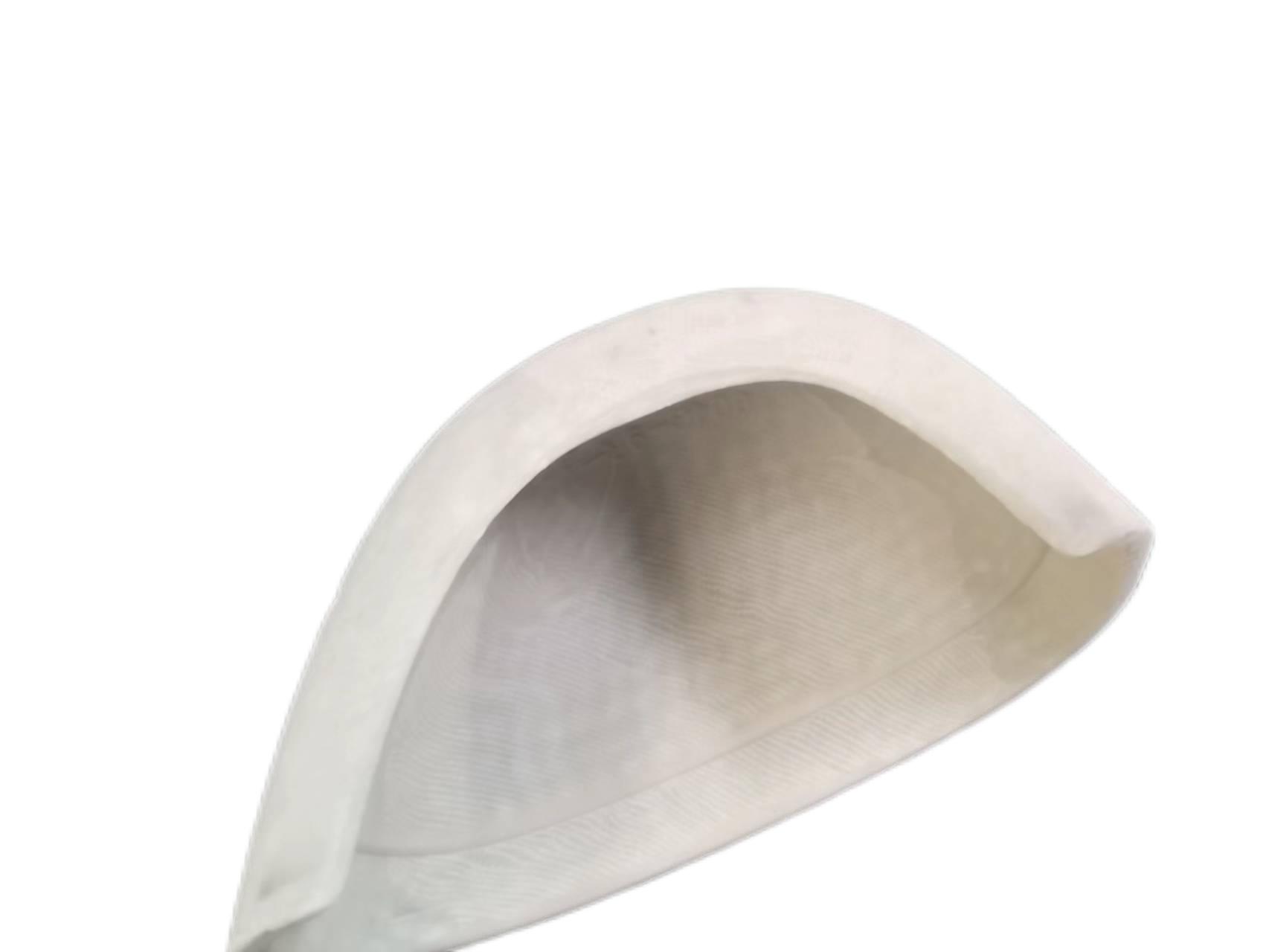
Fiberglass differs significantly from standard plastic composites. Manufacturers use interwoven glass fibers to create a rigid matrix. These fibers provide exceptionally high tensile strength. This structural density allows for a thinner profile than standard composites. We achieve this sleek design without sacrificing any safety ratings. The reinforced matrix absorbs and disperses kinetic energy highly efficiently.
Mass reduction remains a primary goal for safety managers. Fiberglass Toe Caps deliver specific weight savings compared to steel. They shed ounces off each shoe. This translates directly into reduced kinetic energy expenditure for the wearer. A worker taking 10,000 steps daily saves lifting hundreds of cumulative pounds. This profound weight reduction minimizes knee and ankle strain.
Extreme environments demand superior insulation. Fiberglass provides absolute thermal neutrality. It does not transmit external freezing temperatures to the foot. It refuses to absorb ambient heat during summer months. Workers maintain a stable internal boot temperature year-round. This eliminates the need for excessively thick thermal socks.
Security checkpoints slow down daily operations. Fiberglass Toe Caps position themselves as the premium choice for security-heavy industries. Aviation workers, logistics personnel, and nuclear facility operators benefit immensely. Passing through security scanners becomes a seamless daily process. Zero metal-detector interference eliminates frustrating boot-removal mandates.
No single material dominates every possible scenario. You must match the footwear technology to the specific environmental hazard. Let us examine four distinct industrial sectors.
Workers face massive crush hazards constantly. Falling steel beams or heavy masonry present daily threats.
Recommendation: Steel or Alloy.
Why: These sites pose the highest risk of catastrophic crush hazards. A denting failure is highly preferred over a shattering failure. Extreme weather or electrical hazards usually remain secondary concerns here. The thin profile of metal helps workers navigate tight scaffolding safely.
These sectors prioritize speed, security, and endurance. Personnel walk miles across concrete floors daily.
Recommendation: Fiberglass Toe Caps.
Why: Facilities mandate zero metal-detector interference. Security checkpoints demand rapid transit. The lightweight construction perfectly supports high daily step counts. Reduced weight directly lowers worker turnover caused by physical burnout.
Linesmen and electricians face lethal voltage risks. Grounding accidents happen instantly.
Recommendation: Fiberglass or Standard Composite.
Why: Utility sectors enforce a 100% non-metallic requirement. This strict Electrical Hazard (EH) compliance prevents fatal shocks. Fiberglass provides the necessary insulation while maintaining a comfortable toe box.
Rig workers endure sub-zero blizzards or scorching desert heat. Chemical exposure is also frequent.
Recommendation: Fiberglass Toe Caps.
Why: We need maximum insulation against freezing temperatures and extreme heat. Fiberglass creates a perfect thermal barrier. It also resists degradation from harsh drilling chemicals and corrosive oils.
| Industry/Environment | Primary Hazard | Recommended Material |
|---|---|---|
| Construction / Demolition | Heavy crushing impact | Steel / Alloy |
| Logistics / Aviation | Security scanners, fatigue | Fiberglass |
| Electrical Utilities | High-voltage exposure | Fiberglass / Composite |
| Oil & Gas | Extreme temps, chemicals | Fiberglass |
Misinformation often derails safety procurement strategies. Workers hold strong opinions based on outdated footwear technology. You must proactively address these implementation risks.
Many veteran workers distrust modern plastics. They wrongly assume steel offers superior protection. We must address the reality of safety testing. All certified caps withstand the exact same drop and compression tests. They simply fail differently. Steel bends and pinches under extreme loads. Composite and fiberglass materials crack or shatter. Both options successfully protect the toe up to the regulated limit.
Aesthetic complaints severely impact safety compliance. Switching a workforce from steel to basic composite often yields complaints about "clown shoes." Basic plastics require massive volume to pass impact tests. Workers hate the clumsy, bulky appearance. We position fiberglass as the engineered middle-ground. It significantly reduces this bulk. It provides a sleek external look while maintaining ample internal space.
Workers often keep wearing boots after a major accident. They assume the footwear remains structurally sound. Emphasize a strict replacement rule immediately. Any toe cap must be replaced after a significant impact. You must enforce this regardless of the core material. Even if structural damage isn't externally visible, micro-fractures compromise safety. This is especially true for fiberglass and standard composite materials.
Upgrading safety footwear requires methodical planning. You need a structured approach to evaluate new protective options. Follow these actionable steps to ensure a smooth transition.
Begin by mapping your facility's specific threats. Create a comprehensive checklist for your purchasing department. Ask critical operational questions. Are metal detectors used at shift changes? Is it a designated Electrical Hazard environment? Are workers walking more than 10,000 steps per day? Do employees complain about freezing toes during winter shifts? Documenting these answers immediately narrows down your material choices.
Never roll out a new boot style across the entire company blindly. We strongly recommend trialing a small batch first. Distribute fiberglass models to high-movement workers. Select warehouse pickers or maintenance staff for the trial. Gather qualitative feedback over a four-week period. Ask them specific questions about daily fatigue levels. Check their satisfaction regarding toe-box comfort. Use this real-world data to justify a full-scale corporate rollout.
Selecting the right protective footwear directly impacts workplace efficiency. Steel remains a highly durable, cost-effective legacy standard. However, the safety industry is rapidly shifting toward engineered materials. Traditional metals carry unavoidable weight and thermal penalties.
Ensure you audit your specific workplace hazards before purchasing. Match the material to the actual daily threats your workers face. Run targeted pilot tests to guarantee employee comfort and secure compliance. Advanced fiberglass toe caps represent the current apex of safety footwear technology. They successfully offer the protective strength of traditional steel while eliminating severe weight, thermal, and conductive drawbacks.
A: Yes. When manufactured correctly, they pass the exact same 200-joule impact tests as steel. They also pass identical 15kN compression tests. Certification labels inside the boot verify this compliance.
A: Yes. Under massive loads exceeding the maximum safety rating, fiberglass is designed to fracture rather than bend. This shattering mechanism absorbs energy. It often prevents toe amputation compared to bending metal.
A: It depends on the exact chemical blend. Fiberglass is often much thinner and structurally stronger than basic plastic composites. This density efficiency leads to a lighter overall shoe design.
A: They are slightly thicker than steel to achieve safety ratings. However, recent manufacturing advancements have made fiberglass significantly less bulky than older standard composite materials. They avoid the "clown shoe" look.