Views: 0 Author: Site Editor Publish Time: 2026-07-07 Origin: Site
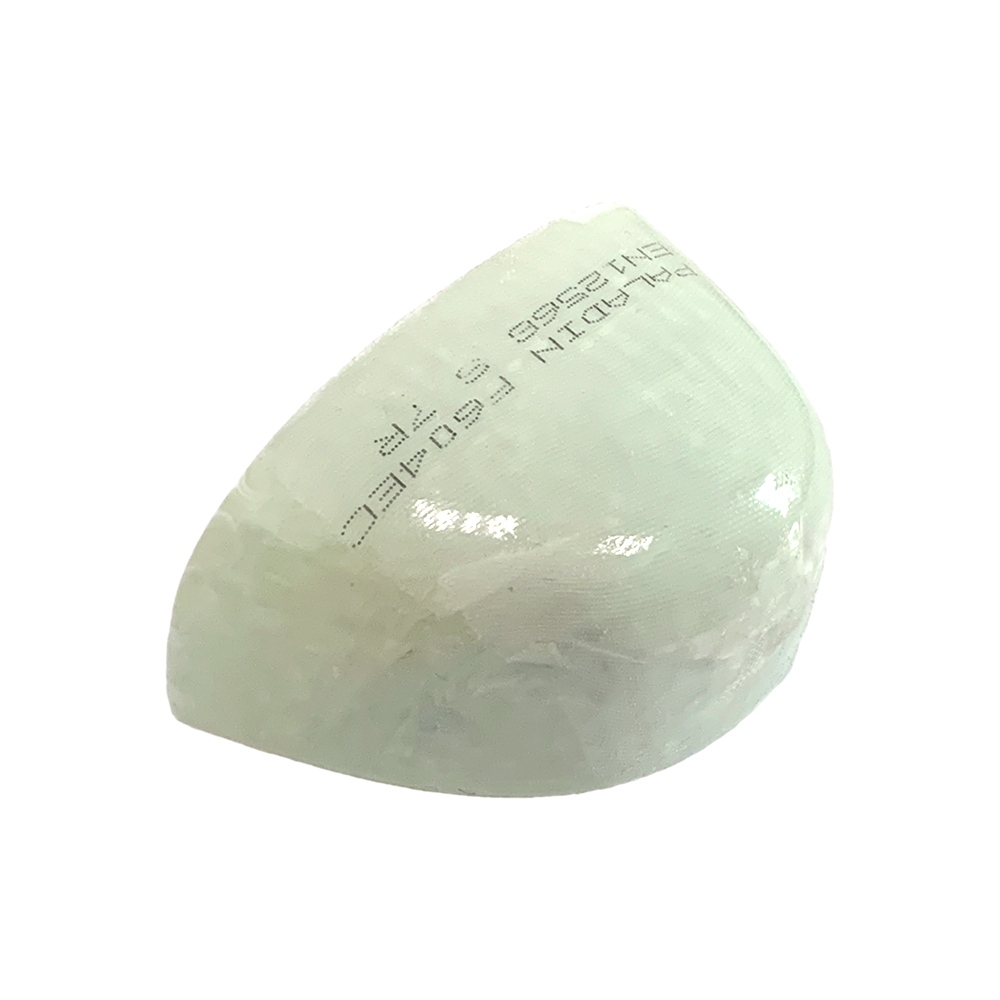
Transitioning away from traditional steel-toe footwear is a common procurement initiative today. Companies want to reduce worker fatigue, but replacing metal requires materials robust enough for strict safety mandates. Fiberglass Toe Caps have emerged as a premium subset of composite safety shoes. They offer highly specific advantages in weight reduction and thermal insulation. Workers need genuine protection against heavy drops, but they also require comfort during long shifts.
Standard footwear often fails to balance these distinct operational needs. This guide provides an objective, evidence-based breakdown of these modern protectors. You will learn how their unique engineering works and how they meet stringent compliance ratings. We will help you determine if this non-metallic material aligns with your specific workplace hazards, compliance requirements, and budget constraints.
Buyers often use the word "composite" as a broad umbrella term. It covers many non-metallic safety materials. Fiberglass actually represents a highly specific, performance-driven category within this family. Engineers create them using woven glass fibers. They inject these fibers with a robust polymer resin. This exact combination produces immense tensile strength. It eliminates the heavy density found in traditional metal alternatives.
Manufacturing these protective components involves precise injection molding. We must look closely at how this process differs from traditional metal stamping. Stamping steel often creates hidden micro-stresses along the curved edges. Injection molding completely eliminates structural seams. The molded resin flows uniformly throughout the shape.
This seamless construction provides distinct advantages on the factory floor:
Failure mechanics differ dramatically between metal and composite materials. Understanding the physics of an impact helps safety managers make better choices. When a heavy object crushes a steel boot, the metal bends. It will stay bent permanently. This deformation can easily trap a worker's toes after a severe crush hazard. Emergency responders often struggle to cut through deformed steel.
Fiberglass Toe Caps behave differently under extreme pressure. They are engineered to absorb the initial kinetic energy. The material flexes momentarily to deflect the falling object. If the load exceeds their maximum capacity, they will structurally fracture. They do not permanently crush inward. This fracturing mechanism absorbs the extreme force. It prevents the toe box from trapping the foot inside the shoe.
Every legitimate piece of safety footwear must pass rigorous testing. The 200 Joules (200J) impact standard remains the global benchmark. Many people misunderstand what this specific energy rating actually means in real life. Testing laboratories drop a 20-kilogram steel wedge from roughly one meter high. This drop generates exactly 200 Joules of kinetic energy upon impact.
The protective cap must maintain a minimum internal clearance during this strike. Fiberglass Toe Caps absorb this kinetic energy through their resin matrix. The force disperses outward through the interwoven glass fibers. The matrix prevents the energy from reaching the fragile bones below.
Regulatory bodies do not care about the underlying material. They only care about verifiable performance data. A compliant non-metallic boot passes the exact same tests as a heavy steel boot. They align perfectly with ASTM F2413 standards in North America. They also meet EN ISO 20345 benchmarks across Europe. You do not sacrifice regulatory compliance by switching away from metal.
We must also consider Electrical Hazard (EH) ratings. Environments involving live wires present severe risks to personnel. Metal acts as a natural conductor. A worn-out steel boot can expose workers to electrical shocks. The inherent non-conductive nature of glass fiber naturally supports EH compliance. These materials act as powerful insulators. They block dangerous electrical currents from grounding out through the worker's feet.
Here is a breakdown of the typical testing parameters safety caps must pass:
| Test Category | Energy / Force Applied | Required Outcome |
|---|---|---|
| Impact Resistance | 200 Joules | Maintain minimum internal toe clearance |
| Compression Resistance | 15,000 Newtons | Resist crushing without structural failure |
| Electrical Hazard (EH) | 18,000 Volts (at 60 Hz) | No current leakage exceeding 1 milliampere |
Weight reduction drives most companies to seek alternative footwear. Fiberglass offers a substantial 20-30% weight reduction per cap. You might think a few ounces hardly matter. However, workers lift their feet thousands of times daily. Reducing this repeated micro-lifting significantly lowers long-term musculoskeletal fatigue. Employees end their shifts with more energy and less joint pain.
Thermal properties present another stark contrast. Steel transfers temperature rapidly. If you work in a freezing warehouse, steel boots pull heat away from your feet. If you work on hot asphalt, they bake your toes. Fiberglass acts as a powerful thermal insulator. It maintains a neutral internal temperature. This neutrality proves critical for extreme weather conditions or frozen storage environments.
Steel still holds one distinct physical advantage. Metal possesses higher natural density. Manufacturers can achieve the 200J safety rating using a very thin sheet of steel. This allows for a sleeker, lower-profile shoe design. Non-metallic options simply cannot match this thin physical profile.
You might wonder why we do not use carbon fiber for everything. Carbon fiber provides exceptional strength and incredible lightness. However, carbon fiber is significantly more expensive to manufacture. It drives the retail price of safety boots to extreme highs. Fiberglass provides a balanced middle ground. It delivers excellent protection and reasonable pricing for bulk corporate procurement.
We must also compare them to standard plastic composites. Many cheap safety shoes use basic injection-molded plastics. These low-end plastics carry dangerous "shattering" risks under severe sheer compression. They lack a reinforced internal matrix. Woven glass fibers prevent catastrophic shattering. They outperform basic plastics in sheer compression strength. They keep workers safe when basic materials fail.
Below is a material comparison matrix outlining these differences:
| Material Type | Weight Profile | Thermal Insulation | Cost Tier | Toe Box Profile |
|---|---|---|---|---|
| Steel | Heavy | Poor (Conducts Heat/Cold) | Low to Medium | Sleek / Low Profile |
| Standard Plastic | Light | Moderate | Low | Very Bulky |
| Fiberglass | Medium-Light | Excellent | Medium | Bulky |
| Carbon Fiber | Ultra-Light | Excellent | High | Moderate |
Deploying new safety equipment always requires careful change management. You must address the "bulky toe box" issue immediately. We noted earlier how glass-reinforced materials require a thicker physical profile. This extra thickness can alter how the boot fits internally. Workers may experience unexpected toe-rubbing. You might need to order wider fits for your staff. Encourage employees to test multiple sizes during the initial rollout.
Safety managers must also establish strict post-impact protocols. Steel leaves a visible dent after a severe drop. This dent tells the worker the boot is ruined. Composite materials might look perfectly intact after stopping a heavy load. However, the internal resin matrix likely sustained microscopic fractures. These micro-fractures severely weaken structural integrity.
You must enforce a firm replacement rule. Boots must be replaced immediately after any significant drop event. You cannot rely on a visual inspection. Training workers on this hidden danger prevents future injuries from secondary impacts.
Cost implications play a major role in procurement decisions. These advanced non-metallic models often sit in a higher price tier than standard steel boots. Safety managers must justify this initial investment. You can easily prove value through reduced worker fatigue. You can also highlight specific operational efficiencies. For example, clearing airport security faster saves thousands of paid labor hours annually.
Not every workplace benefits from non-metallic footwear. You must match the equipment to the specific daily hazards. Some industries see massive productivity gains from switching materials. Others might find the transition entirely unnecessary.
We highly recommend these protectors for several specific sectors:
Conversely, we do not recommend them for every single scenario. Consider these counter-examples:
Our final verdict shows these advanced toe protectors are highly effective. They are not universally "better" than traditional steel across all categories. Instead, they are functionally superior for highly specialized environments. They deliver critical benefits when you require non-metallic, thermally insulated, and lightweight protection.
Your next steps involve conducting a thorough hazard assessment. You should evaluate your workplace for electrical dangers versus extreme crush risks. Look closely at temperature extremes and security checkpoint bottlenecks. Once you identify these specific needs, review a curated supplier catalog. We highly recommend requesting a few sample pairs. Field test them with your most active workers before committing to bulk procurement.
A: High-quality, certified fiberglass caps do not shatter like glass under standard workplace impacts. They are bound by epoxy resin. This allows them to fracture safely and absorb kinetic energy. This prevents toe-trapping. However, cheap, uncertified plastics might shatter. Always verify they carry official ASTM or EN ISO safety ratings.
A: Yes, they are completely non-metallic. They will not trigger standard security scanners. This makes them perfect for aviation or high-security facilities. Just ensure the rest of the boot is also metal-free. You must check for metal eyelets, zippers, or hidden steel shanks inside the sole.
A: The material itself does not rust or naturally degrade quickly. It withstands moisture much better than steel. However, structural integrity is instantly compromised once it sustains a major impact. They must be replaced immediately after a drop incident, even if the exterior looks perfectly fine.