Views: 0 Author: Site Editor Publish Time: 2026-07-31 Origin: Site
Traditional safety footwear takes a heavy physical toll on modern industrial workers. Daily musculoskeletal fatigue and extreme temperatures easily turn long shifts into grueling endurance tests. Furthermore, navigating specific environments constantly introduces complex safety compliance challenges. Electrical hazards and high-security checkpoints require specialized non-metallic solutions. Traditional steel toes simply cannot adapt to these evolving operational realities. This buyer's guide thoroughly explores composite safety toes as a highly viable, lightweight alternative. We specifically highlight how implementing Fiberglass Toe Caps transforms your daily comfort and performance. You will learn exactly what makes these materials effective across various industries. You will discover how choosing between steel and composite works today. It is no longer a risky compromise on baseline safety. Instead, it represents a strategic decision based entirely on your specific workplace environment and daily operational needs.
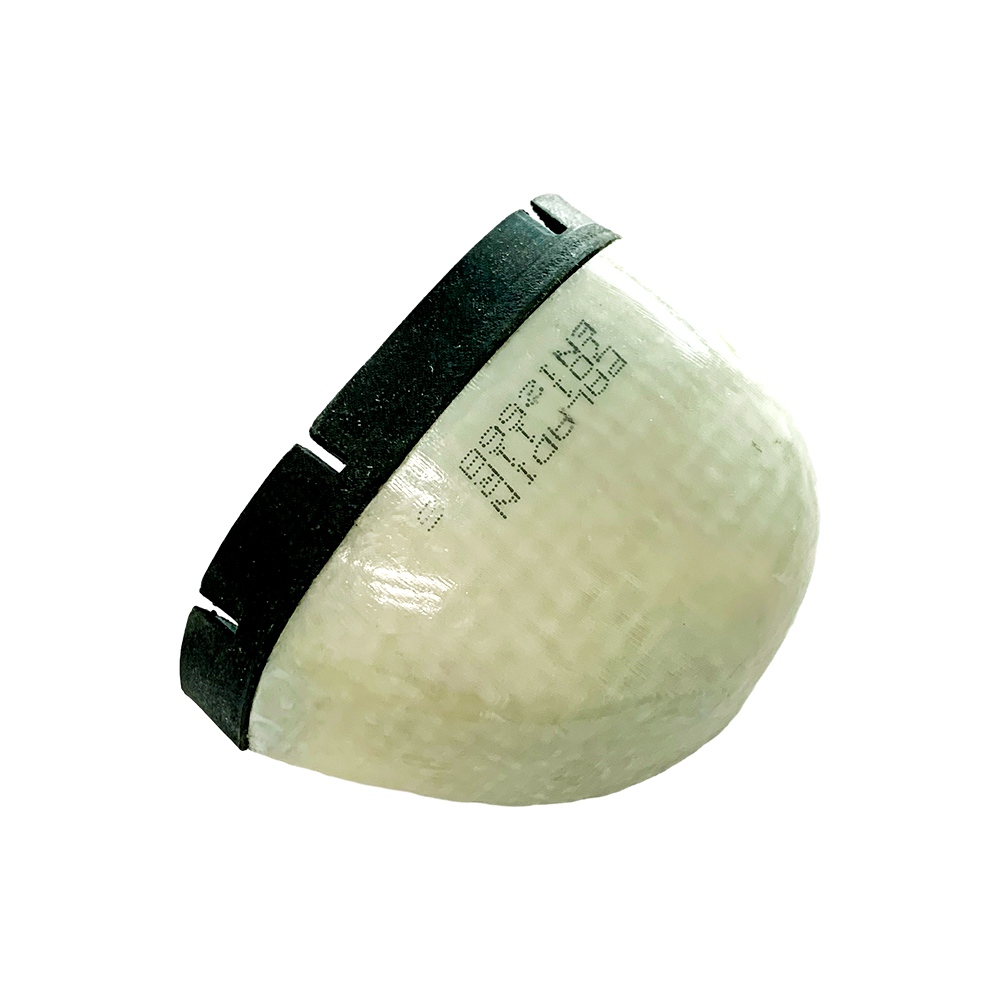
Safety footwear utilizes various protective materials designed for distinct environments. The word "composite" acts as a broad umbrella term in safety manufacturing. It encompasses several advanced non-metallic materials. These typically include carbon fiber, Kevlar, and fiberglass woven structures. Each raw material offers distinct manufacturing benefits and structural properties. However, modern footwear brands have largely standardized their production around one specific formulation. Fiberglass Toe Caps currently dominate the industry standard for premium composite work boots. They deliver an incredibly optimal strength-to-weight ratio. They remain highly cost-effective for mass production compared to pure carbon fiber. They also provide superior shatter resistance compared to early industrial plastics used decades ago.
You ultimately get a much lighter boot overall. Yet, we must clarify an objective engineering reality. This material requires highly engineered layering to function properly. Manufacturers meticulously mold these caps under extreme heat and pressure. They carefully align the glass fibers to pass standardized safety tests. The lightweight feel does not happen by accident. It results from advanced composite construction techniques. The engineered resin binds the fibers into an impenetrable shell. This sophisticated layering allows non-metallic toes to rival solid steel.
Solid metal rapidly conducts external temperatures. This creates severe physical discomfort in extreme climates. Non-metallic materials completely bypass this fundamental thermodynamic issue. They simply do not absorb or transfer ambient heat. They equally resist freezing environmental temperatures. This inherent thermal resistance prevents the dreaded "ice box" effect during winter. Alaskan pipeline workers keep their feet warmer in sub-zero outdoor conditions. Conversely, it stops rapid heat transfer in blistering environments. Workers in steel foundries or summer paving operations experience noticeably cooler feet. Your internal boot climate remains stabilized throughout the shift.
Electrical hazards pose immediate lethal risks on many modern job sites. Traditional steel toes introduce unnecessary conductivity concerns. Fiberglass materials contain absolutely zero conductive metals. They act as natural electrical insulators against dangerous currents. This seamlessly supports strict EH-rated boot designs. Linesmen, electricians, and utility workers rely heavily on this non-conductive barrier. It adds a crucial layer of secondary protection against accidental exposure. You can confidently navigate environments featuring exposed wires or high-voltage risks. The material actively prevents grounding circuits through your feet.
Rigid security protocols constantly slow down daily facility operations. Metal detectors consistently flag traditional steel-toe boots at entrance gates. A completely metal-free toe construction eliminates this daily friction. Workers breeze through magnetic scanners without triggering security alarms. This greatly increases operational efficiency at highly sensitive locations. You never need to untie and remove footwear at TSA checkpoints. Nuclear facilities, federal buildings, and secure data centers benefit immensely from this design. Employees save valuable time during shift changes and facility transitions. It reduces administrative headaches for security personnel as well.
Heavy boots amplify musculoskeletal fatigue over extended periods. Every single step requires slightly more bodily energy to execute. Composite toes are typically thirty percent lighter than their direct steel equivalents. This substantial weight reduction yields profound biomechanical relief. It significantly reduces chronic leg fatigue over a grueling ten-to-twelve-hour shift. Your lower-back strain noticeably decreases as well. Consider the cumulative effect of lifting a heavy boot ten thousand times a day. Workers burn fewer calories simply moving around the expansive job site. Over a long workweek, this translates to better overall physical health.
Buyers often wonder if non-metallic options sacrifice raw protective power. We must objectively evaluate both materials side-by-side using established metrics. Both materials adhere to absolutely identical safety testing thresholds. They must independently withstand a 75-pound impact drop test. They must also survive 2,500 pounds of sheer static compression. These specific metrics align directly with ASTM F2413-18 standards. Neither option is inherently "safer" regarding baseline regulatory compliance. They both stop crushing injuries effectively.
The true functional differentiator lies in post-impact material behavior. Steel bends and visibly dents upon experiencing an extreme impact. This safely maintains overall structural integrity for the wearer. However, deeply bent steel can potentially trap your toes inside. It greatly complicates emergency extraction procedures for medical personnel. Conversely, composite materials absorb kinetic energy differently. They tend to rebound slightly after absorbing moderate impacts. Under catastrophic crushing pressure, they intentionally shatter or crack. This specific cracking mechanism actively disperses the destructive force. It makes extracting a trapped foot from a crushed boot significantly easier.
You must also consider profile bulk as a practical trade-off. Manufacturers must use more physical material to meet identical impact standards. This inherently makes fiberglass toe caps physically thicker than standard steel. The structural necessity results in a visibly bulkier boot silhouette. You need a wider internal toe-box profile to accommodate the engineered layers. Those seeking an ultra-slim aesthetic might find this problematic.
| Feature Category | Traditional Steel Toe | Composite / Fiberglass Toe |
|---|---|---|
| Safety Certification | ASTM F2413-18 Compliant | ASTM F2413-18 Compliant |
| Post-Impact Behavior | Bends and dents; may trap toes under load | Absorbs energy; rebounds or shatters to disperse force |
| External Toe Box Profile | Slimmer, lower profile design | Thicker, noticeably bulkier silhouette |
| Thermal Transfer | High (Rapidly conducts heat and cold) | None (Actively insulates against extreme temperatures) |
| Electrical Conductivity | High (Requires heavy insulation layers) | Zero (Naturally non-conductive material) |
Understanding safety compliance protects both industrial workers and corporate employers. You must actively validate protective standards before authorizing any footwear purchase. Always inspect the boot's internal tongue tag for verification. Look closely for specific alphanumeric codes like ASTM F2413-18 I/75 C/75. This distinct sequence guarantees optimal impact and compression resistance. It conclusively proves the footwear passed rigorous independent third-party testing. Never assume a bulky boot inherently offers certified protection without checking.
Many workers mistakenly believe OSHA strictly requires steel caps. This remains a persistent and outdated industry myth. OSHA does not mandate steel specifically for general industry tasks. It only dictates that protective toes meet accepted consensus standards. Any composite cap meeting ASTM guidelines satisfies OSHA regulations perfectly. Safety managers can confidently approve these modern alternatives.
Consider the long-term longevity and degradation of your chosen footwear. Exposed internal steel inevitably rusts and corrodes over time. Trapped moisture and harsh chemical exposure accelerate this unseen degradation. Non-metallic materials completely eliminate this frustrating rusting issue. They maintain pristine structural integrity through wet and highly corrosive conditions. However, you must meticulously observe one critical safety rule. A catastrophic impact necessitates immediate boot replacement. This strict rule applies to every safety boot material on the market. Microscopic internal fractures silently compromise future protection capabilities. You cannot visually inspect a composite cap for microscopic internal damage.
Choosing the right toe protection requires careful workplace evaluation. You should consciously structure your purchasing decision around daily operational hazards. Follow this practical decision framework to guide your shortlisting process effectively.
We highly advise safety managers to formally audit their facility's specific hazards. Identify daily friction points like sensitive metal detectors or exposed live wires. Evaluate extreme environmental factors like outdoor cold snaps or chemical washdowns. Do this thoroughly before mandating a specific toe type across your entire workforce. Tailor your safety gear to the actual ground reality.
The modern industrial landscape constantly demands adaptable safety solutions. We see incredibly clear advantages in ditching heavy metal footwear for modern alternatives. Composite toe boots offer distinct environmental adaptability previously unavailable. Their unique thermal and electrical benefits solve real-world workplace problems daily. They deliver undeniable ergonomic benefits for employees enduring gruelingly long shifts.
They are absolutely not a downgrade in physical protection. Instead, they represent a highly specialized, engineered solution. They seamlessly meet modern industrial demands without sacrificing core safety metrics.
A: OSHA doesn't approve specific materials; it enforces standards. Fiberglass toes that meet ASTM F2413 standards are fully OSHA-compliant.
A: Under normal wear, no. They do not rust. However, like a high-end helmet, microscopic internal fractures from a major impact mean the boot must be replaced immediately.
A: Generally, yes. Because non-metallic materials need more volume to achieve the same structural strength as steel, the external toe box is often slightly larger and wider.