
Views: 0 Author: Site Editor Publish Time: 2026-09-24 Origin: Site
Safety footwear manufacturers face a relentless and complex balancing act today. You must meet stringent global compliance requirements, such as EN ISO 20345 and ASTM F2413. At the same time, you must satisfy end-user demands for lightweight, ergonomic comfort. Production costs must remain highly competitive without cutting corners on worker safety. Suboptimal component sourcing introduces severe risks directly to your production line. Poor material choices often lead to failed certification testing and compromised product durability. They also cause drastically increased manufacturing defect rates on the assembly floor. These frequent failures ultimately erode brand trust and inflate your long-term liabilities. This comprehensive guide provides a standardized, material-agnostic framework for evaluating structural safety footwear components. We will help you streamline prototyping workflows and make sharper, data-driven supply chain decisions. You will discover how to shortlist essential elements effectively. We ensure you achieve complete component synergy across your entire manufacturing process.
Certification dictates component baseline: Every structural decision, from the toe cap to the outsole, must align with specific regional safety ratings and impact tests.
Material trade-offs are unavoidable: Selecting a composite over a steel toe cap reduces weight but requires adjustments to the shoe last and upper design to accommodate increased bulk.
Bottom-up protection is evolving: The industry is shifting from rigid metal plates toward zero penetration insole fabric to meet demand for flexibility without sacrificing puncture resistance.
Component synergy prevents failures: Successful manufacturing requires ensuring chemical and structural compatibility between uppers, midsoles, and specialized protective inserts.
Understanding the certification hurdle forms your manufacturing foundation. Component selection directly dictates testing success. Standardized testing leaves absolutely no room for error. A shoe prototype must pass rigorous 200-joule impact tests. Testing laboratories drop a heavy 20-kilogram steel striker from a one-meter height. The shoe must protect the internal clearance zone completely. It also faces intense compression resistance evaluations. These compression tests apply a massive 15-kilonewton resting force steadily across the toe box. If one structural piece fails, the entire prototype fails. Manufacturers cannot rely on guesswork.
We must establish clear success criteria early. You should thoroughly evaluate the raw cost per unit. You must also demand strict material consistency across batches. Supplier testing transparency is absolutely non-negotiable. Always consider the ease of integration into your existing manufacturing lines. Injection molding requires exact, unyielding component tolerances. Cemented construction offers slightly more flexibility during assembly.
Risk mitigation remains your top priority. Sourcing unverified components introduces massive dangers. You might experience inconsistent batch quality during mass production. This terrible inconsistency creates severe long-term liability. Defective personal protective equipment leads to workplace injuries and lawsuits. We highly advise conducting strict compliance audits on all raw materials.
Best Practice: Always request certified third-party lab results. Do not rely solely on internal supplier claims.
Common Mistake: Assuming a component certified in Europe automatically passes North American ASTM standards. They test impact mechanics differently.
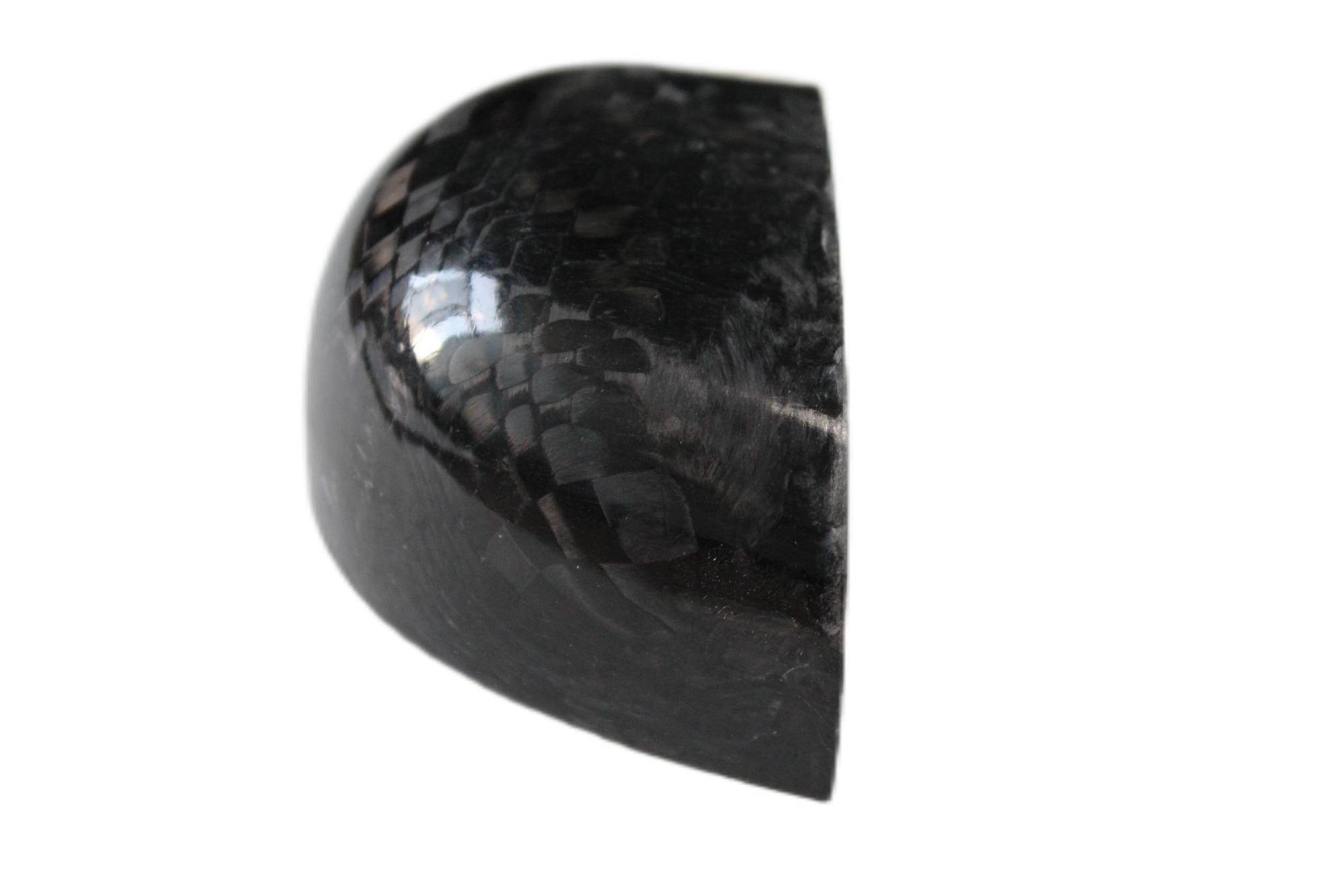
The toe cap serves as the fundamental protective element. Modern work boots rely completely on this rigid component. It actively shields workers from devastating crushing hazards. You must carefully weigh the material matrix. Each material impacts your manufacturing process directly.
Steel represents the traditional industry choice. It is highly durable and extremely strong. Steel allows for a lower toe box profile. This creates a sleeker, more traditional shoe design. However, steel feels quite heavy during long shifts. It conducts extreme hot and cold temperatures rapidly. It also triggers airport and security metal detectors easily.
Composite materials utilize woven fiberglass or reinforced plastic. They are very lightweight and thermally non-conductive. Yet, they require a significantly bulkier design geometry. This extra bulk achieves the mandatory 200-joule protection. It fundamentally alters your shoe last dimensions. It also increases upper material consumption significantly.
Aluminum or alloy options offer a strong middle ground. They reduce boot weight while maintaining a thin profile. The primary trade-off involves noticeably higher raw material costs.
Your shortlisting logic should target specific end-user industries. Heavy construction workers prefer steel for sheer durability. Aviation personnel need metal-free composite designs. Selecting the right safety toe caps guarantees better market adoption.
Best Practice: Modify your shoe lasts specifically for composite models. Never use a standard steel-toe last for a composite insert.
Common Mistake: Ignoring the extra upper leather required for bulkier composite designs. This ruins your material costing sheets.
Table: Safety Toe Cap Material Comparison
Material Type | Weight Profile | Thermal Conductivity | Profile/Bulk | Ideal Industry Application |
|---|---|---|---|---|
Steel | Heavy | High | Low/Slim | Heavy Construction, Mining |
Composite | Lightweight | None (Insulator) | High/Bulky | Aviation, Security, Electrical |
Aluminum Alloy | Medium | High | Low/Slim | Logistics, Premium Workwear |
We are witnessing a massive shift in puncture protection engineering. Traditional methods prioritized absolute barrier rigidity. Modern safety requirements demand ergonomic underfoot safety. Workers desperately need daily flexibility alongside reliable hazard deflection.
You must carefully evaluate rigid plates against non-metallic solutions. Traditional steel safety midsoles remain incredibly cost-effective. They provide absolute rigidity against sharp nails and glass. However, they drastically reduce natural foot movement. This forced rigidity increases worker fatigue over twelve-hour shifts.
Modern manufacturing leans heavily toward zero penetration insole fabric. These flexible layers are woven from advanced aramid or Kevlar blends. They offer superior ergonomics for highly active workers. The implementation reality presents unique challenges on the factory floor. This specialized fabric covers 100 percent of the footbed. It requires precise chemical bonding techniques during sole attachment. Delamination becomes a major risk if glued improperly. It also carries a noticeably higher unit cost.
Always map your component choices directly to user outcomes. Warehouse workers need reduced fatigue constantly. They benefit immensely from flexible aramid fabrics. Scrap yard environments feature heavy, jagged metal debris. These extreme areas demand maximum puncture deflection from solid steel plates. Pick the material aligning perfectly with the end-user environment.
Best Practice: Ensure your bonding adhesives are chemically compatible with aramid fibers. Test sole peel strength vigorously.
Common Mistake: Using the exact same strobel stitching method for both steel plates and advanced fabric midsoles.
High-risk environments require advanced footwear engineering. Standard toe protection often proves completely insufficient. Heavy industry workers need secondary protective components immediately. These specialized add-ons are frequently legally required on job sites.
You must plan your metatarsal guard integration carefully. Internal guards sit seamlessly beneath the leather upper. They provide far better footwear aesthetics for retail environments. However, they complicate stitching and injection molding processes immensely. External guards are much easier to manufacture. They attach outside the shoe over the laces. Unfortunately, they remain constantly exposed to harsh external abrasion.
Consider integrating modern reactive materials into your designs. Materials like D3O or Poron offer incredible ergonomic benefits. Non-Newtonian fluids inside the foam matrix lock together instantly upon impact. They remain completely soft and flexible during normal walking. They instantly harden upon sudden impact. This disperses deadly energy away from fragile metatarsal foot bones.
Adding any guard heavily impacts your implementation considerations. It fundamentally changes your traditional vamp design. It alters optimal lace hardware placement significantly. You must evaluate how the guard restricts overall shoe flexibility. Test prototypes thoroughly in motion. You want to prevent stiff, unwearable boots from reaching the market.
Best Practice: Use gently skived leather edges around internal guards. This prevents uncomfortable pressure points on the top of the foot.
Common Mistake: Failing to adjust the internal tongue padding thickness when inserting a hard internal guard.
Non-armor components dictate your overall structural integrity. You must tie the protective elements together perfectly. If the foundation fails, the internal armor means absolutely nothing.
Outsole compounds determine daily grip and lifecycle longevity. We regularly evaluate three highly popular manufacturing mixtures for bottom-up stability.
PU/PU (Dual-Density Polyurethane): This mixture is extremely lightweight and highly flexible. It is perfect for standard daily indoor wear and warehousing.
PU/Rubber: This combination offers excellent heat and chemical resistance. It is ideal for intense welding operations or hot paving environments.
TPU (Thermoplastic Polyurethane): This material is highly durable against sharp cuts. It scores exceptionally well on strict slip-resistance (SR) testing standards.
Shanks provide crucial torsional stability underneath the arch. They physically prevent the shoe from twisting on uneven gravel or rocks. Fiberglass shanks reduce boot weight nicely. They easily bypass airport metal detectors. Steel shanks offer superior, unyielding arch support. This rigid support proves absolutely vital when workers climb ladder rungs constantly.
Upper materials must complement the internal safety hardware completely. Leather thickness matters greatly for long-term longevity. Full-grain leather resists sharp tears much better than split leather. Split leather requires heavy synthetic coatings to achieve similar durability. Synthetic abrasion-resistant panels prevent premature failure in tough environments. Pay close attention to high-strain flex points near the toes. A weak upper will expose structural hardware long before the sole wears out.
Best Practice: Reinforce the front toe bump area with a molded TPU scuff cap. This protects the leather stretched tightly over the toe armor.
Common Mistake: Specifying an overly soft PU outsole for environments featuring heavy oil exposure. The sole will swell and degrade quickly.
Evidence-oriented sourcing builds a highly reliable global supply chain. You should demand very specific documentation from your component suppliers. Always request recent, independently verified batch testing reports. Verify their manufacturing facilities hold current ISO 9001 certifications. Consistent dimensional tolerances prevent terrible assembly line bottlenecks.
Assess a supplier's scalability and lead times accurately. They must scale seamlessly alongside your largest seasonal production runs. They absolutely cannot compromise structural integrity during rushed orders. Quality must remain identical from the first prototype to mass production.
Take immediate next-step actions to qualify new vendors properly. We strongly recommend following a strict evaluation sequence to protect your brand:
Request comprehensive sample kits for preliminary physical review.
Conduct aggressive in-house destructive testing on received components.
Initiate small-scale pilot production runs on your actual assembly machines.
Review defect rates closely before signing long-term purchasing agreements.
Best Practice: Visit the supplier's manufacturing facility in person. Inspect their raw material storage conditions and climate control capabilities.
Common Mistake: Choosing a vendor based solely on the lowest unit price. Subsequent defect rates will inevitably consume all your initial savings.
Building a compliant, profitable safety shoe remains highly challenging. It is an exercise in managing complex material trade-offs effectively. You must ensure absolute component compatibility across the entire footwear design. Selecting the right materials upfront prevents catastrophic testing failures down the road. Every component must justify its weight, cost, and protective value.
We highly recommend finalizing your target certification first. Decide between standard ratings like S3S or S7L early in the process. Finalize this critical requirement before locking in component specs. This logical strategy ensures you experience no wasted prototyping efforts. It aligns your engineering team with a singular protective goal.
Take aggressive action on your supply chain today. Contact a specialized component supplier for updated technical data sheets. Initiate a comprehensive compliance audit of your existing prototype materials immediately. Better sourcing guarantees better protection on the job site for the end user.
A: A safety model complies with stringent 200-joule impact standards, such as EN ISO 20345. A protective model only meets lower-tier 100-joule impact standards, like EN ISO 20346. Safety models are legally required for heavy industry. Protective models suit lighter hazard environments where catastrophic crushing is unlikely.
A: Not always. The new EN ISO 20345:2022 standards differentiate nail diameter testing. Type PL tests against a 4.5mm nail, while Type PS tests a 3.0mm nail. Fabric must match the specific puncture hazards of the work environment. Steel remains the absolute barrier for extreme, high-risk puncture zones.
A: No. Composite materials resist rust and corrosion entirely. Material fatigue testing shows high-quality composites easily outlast the typical lifespan of a leather work boot. Shoe uppers, external stitching, and outsoles typically fail long before the internal composite safety hardware degrades.
A: Adding this guard requires additional, specific drop-test certifications. Under EN ISO 20345, the boot must achieve an 'M' rating. Under ASTM F2413, it needs an 'Mt' rating. The guard must distribute impact energy away from the metatarsal bones without compromising the primary toe protection.


