Views: 0 Author: Site Editor Publish Time: 2026-09-03 Origin: Site
Electrical hazards demand a strict zero-tolerance approach on every active job site. Safety managers constantly navigate a difficult tension daily. You clearly need heavy-duty impact protection for your hardworking team. At the same time, you must maintain complete electrical insulation across the board. Traditional safety footwear relies heavily on metal plates for crush protection. Unfortunately, this practice introduces unacceptable conductivity risks in high-voltage environments. Metal components eagerly bridge ground connections. Transitioning to fully non-metallic footwear architectures actively solves this dangerous problem. Specifically, advanced protective materials and puncture-resistant textiles provide vital defense. They deliver reliable, ASTM-compliant impact and compression protection. They achieve this completely without compromising crucial electrical isolation. In this guide, you will learn how modern protective components perform. We will detail their performance against the strictest global safety standards. We will also explore the critical secondary operational advantages they offer your crew.
Non-metallic components are mandatory for maintaining a true, verifiable Electrical Hazard (EH) rating under ASTM F2413 standards.
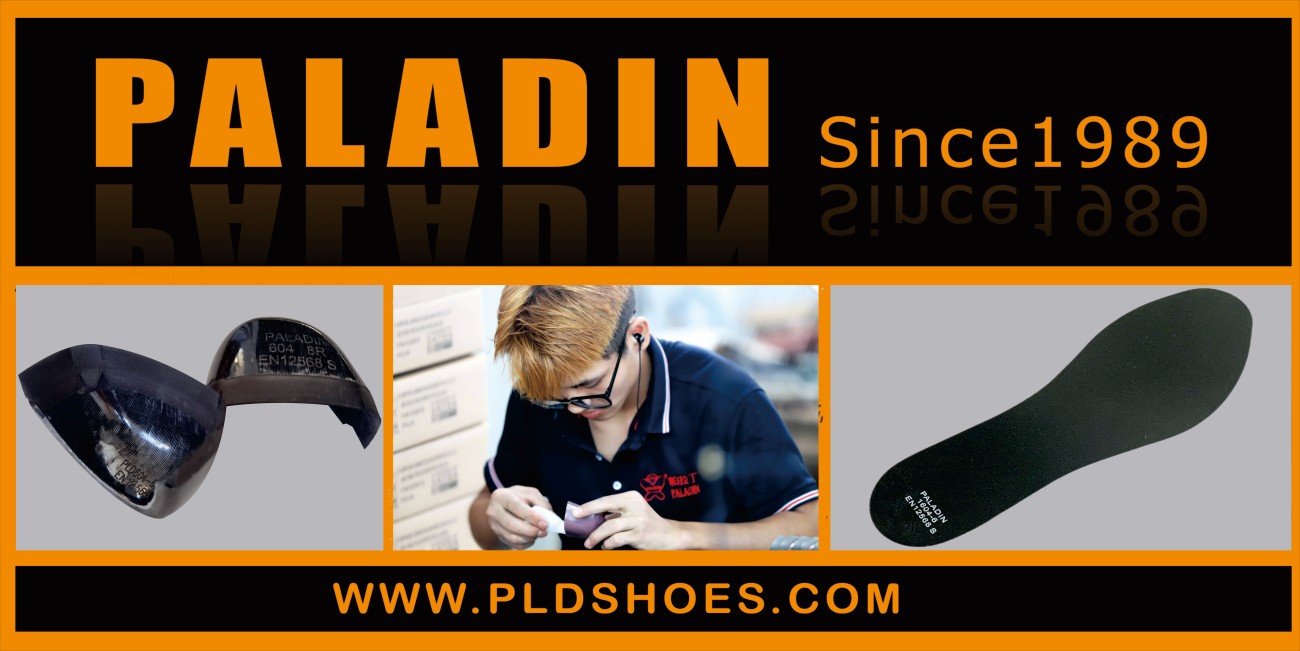
Modern composite toe caps, fiberglass toe caps, and carbon fiber toe caps meet the exact same impact and crush thresholds as traditional steel.
Replacing steel midsoles with zero penetration insole fabric prevents ground-up puncture threats without creating a conductive path.
Non-metallic boots offer secondary operational advantages, including lighter weight, superior thermal insulation, and seamless passage through security scanners.
Safety managers face a complex dual threat daily. Field workers frequently navigate industrial environments featuring dangerous falling objects. These dynamic hazards make a robust protective cap absolutely necessary. Concurrently, these identical workers often navigate areas featuring open electrical circuits. This specific reality requires complete non-conductivity from their personal protective equipment. Failing on either front results in severe, preventable injuries. We must protect operators against blunt force trauma aggressively. We must also block deadly electrical currents reliably.
The global ASTM F2413 EH standard defines these protective rules clearly. An EH-rated safety boot impedes the direct flow of stray electricity. It acts as a critical secondary source of protection for linemen and electricians. It never replaces primary grounding protocols or specialized insulating mats. Instead, it gives workers a vital backup defense during emergencies. Rigorous laboratory testing requires these boots to withstand 18,000 volts at 60 Hertz. The boot must not allow internal electrical leakage exceeding one single milliampere. This exact standard keeps workers alive during accidental live wire contact.
Exposed metal ruins this delicate protective balance entirely. Metal components often compromise the boot’s outer materials over time. A shifting steel plate might wear completely through the leather exterior. This exposes the conductive metal directly to the outside environment. When this happens, it bridges a conductive path directly to the ground. This failure instantly nullifies the boot’s crucial EH rating. Even internal metal shanks pose severe unseen risks. Moisture buildup inside the boot creates a dangerous conductive bridge. Sweaty feet touching a hidden metal shank negate the insulation. Non-metallic components eliminate this specific failure mode from your safety equation entirely.
Non-metallic impact protection is absolutely no longer inferior to steel. Modern material engineering utilizes different structural designs to achieve incredible physical strength. A well-designed non-metallic toe cap absorbs incoming kinetic energy through slight deformation and rapid recovery. Conversely, steel simply resists the force until it reaches a catastrophic failure point. Safety footwear manufacturers now offer several high-performance options for industrial buyers. Each distinct material serves a slightly different operational need.
Manufacturers construct these using a tough blend of advanced plastics, Kevlar, or engineered elastomers. Technicians inject these specialized materials into precise molds under extreme pressure. They cure the molds to create a highly rigid protective barrier.
These units are highly cost-effective and completely thermally neutral. Your workers' feet stay much warmer in harsh winter conditions. However, a composite design typically requires a thicker physical profile. The material simply needs more mass to pass the strict 75-foot-pound impact test. This structural requirement results in a slightly bulkier boot toe box. Some workers actively dislike the wider, clunkier boot aesthetic. Regardless, composite toe caps remain the industry standard for budget-friendly EH compliance today.
These advanced protectors utilize densely woven glass fibers suspended in a hard industrial resin. The overlapping glass fibers create a remarkably rigid, highly protective internal dome. The manufacturing process ensures uniform strength across the entire strike surface.
They deliver an excellent strength-to-weight ratio for daily field use. They maintain a significantly thinner profile than standard injected composite models. This gives the footwear a more traditional, streamlined aesthetic shape. Field workers appreciate the improved visual appeal and distinctly reduced bulk. Furthermore, fiberglass toe caps remain entirely non-conductive under all testing conditions. They represent a perfect middle ground for discerning safety managers balancing cost and comfort.
Engineers carefully construct these using high-density carbon filament grids. They layer the carbon sheets meticulously for maximum structural strength. The resulting product undergoes strict quality control checks before final boot assembly.
This represents the absolute premium tier of industrial foot protection. It offers the thinnest, lightest non-metallic protection currently available on the global market. The resulting work boots look and feel almost exactly like standard hiking footwear. They prove ideal for active workers requiring high daily mobility. Using premium carbon fiber toe caps actively reduces muscle fatigue during long, demanding shifts. Naturally, this highly advanced material comes at a higher initial procurement cost.
Toe Cap Material Comparison Matrix
Material Type | Profile Thickness | Thermal Conductance | Relative Weight |
|---|---|---|---|
Standard Composite | Thickest (Bulky) | Zero (Excellent Insulator) | Moderate |
Woven Fiberglass | Moderate (Streamlined) | Zero (Excellent Insulator) | Light |
Carbon Fiber | Thinnest (Athletic Fit) | Zero (Excellent Insulator) | Ultra-Light |
Traditional Steel | Thin | High (Conducts Heat/Cold) | Heavy |
Severe puncture hazards exist everywhere on modern industrial job sites. Stepping on a rusty nail is inherently dangerous in any situation. Stepping on a sharp nail in an active electrical environment proves absolutely catastrophic. A nail piercing a standard rubber sole might simply stop harmlessly. However, a nail hitting a hidden steel midsole creates a direct ground connection instantly. Deadly electricity flows through the nail, into the metal plate, and up into the worker.
Safety engineers must introduce a safer protective barrier for underfoot defense. Manufacturers now use zero penetration insole fabric to solve this exact vulnerability. They weave dense Kevlar or high-tenacity ballistic nylon layers together tightly. These advanced textiles block sharp objects flawlessly without using any conductive metals. By utilizing specialized zero penetration insole fabric for the midsole construction, boots remain entirely electrically isolated.
These engineered fabrics meet strict global penetration resistance standards reliably. They successfully resist 1200 Newtons of puncture force during rigorous laboratory testing. This matches the exact performance metrics of heavy metal midsole plates. You never sacrifice any physical protection by switching to these textile materials.
This specialized fabric also offers significantly increased ergonomic flexibility. Rigid steel plates make work boots stiff, clunky, and quite uncomfortable. Textiles allow the boot to bend naturally during normal walking motions. This drastically reduces daily foot fatigue for your entire crew. Workers on their feet for 10-hour shifts report much less joint pain. Ergonomic movement keeps them focused on their hazardous tasks safely.
Non-metallic components provide excellent thermal insulation for outdoor crews. Solid metal conducts ambient temperature rapidly through the boot structure. Steel protectors freeze toes aggressively in harsh winter conditions. They also bake feet uncomfortably during intense summer heatwaves. Non-metallic components do not conduct heat or cold easily. They act as highly effective thermal insulators inside the boot housing. This prevents dangerous frostbite in freezing industrial environments. It also prevents severe heat stress during scorching summer shifts. Physical comfort directly impacts worker focus and overall site safety.
Weight reduction offers another massive operational advantage for active teams. Heavy boots exhaust workers quickly over a long shift. Quantifying this fatigue reduction reveals startling data for occupational health professionals. Taking just a few ounces off a boot saves enormous physical energy.
Lowering boot weight yields several critical operational benefits:
Workers experience significantly lower muscular strain on their calves and lower back.
Crews demonstrate improved agility when climbing ladders or complex scaffolding structures.
Employees file fewer musculoskeletal complaints to corporate occupational health clinics.
Safety directors record lower overall workplace injury rates due to slip-and-fall fatigue.
Security and scanner compatibility streamlines daily operations immensely. Many specialized electrical crews work in highly secure, access-controlled environments. Nuclear power plants, airports, and secure government facilities utilize metal detectors constantly. Stopping to remove steel-toe boots wastes valuable operational time multiple times daily. Completely non-metallic footwear allows seamless, uninterrupted passage through advanced security scanners. Workers keep their boots on and stay highly productive all day. Operational efficiency improves measurably across the entire protected job site.
Safety buyers must verify several specific details before purchasing fleet footwear. You cannot rely solely on basic, abbreviated catalog descriptions. Manufacturers offer varying degrees of non-metallic compliance across their product lines. Establishing strict purchasing criteria protects your crew from hidden dangers.
Verify the specific ASTM F2413 EH tags stitched inside the boot tongue.
Confirm the boot uses completely non-metallic lacing eyelets and speed hooks.
Ensure the internal support shank contains fiberglass or stiff nylon, avoiding steel entirely.
Check the rubber outsole composition carefully for any hidden metal anti-static wires.
Risk management requires vigilance against "partial" non-metallic boots. Some manufacturers use an advanced composite front but keep metal lacing hardware. A single metal eyelet can accidentally touch a live exposed wire. This instantly creates a highly dangerous electrical arc hazard. You must emphasize the absolute necessity of a 100% metal-free architecture. Electrical crews simply cannot tolerate partial compliance on the job.
We encourage safety buyers to audit their current PPE spec sheets immediately. Request physical sample boots for rigorous, hands-on field testing. Consult directly with a technical footwear representative regarding your specific environment. They can help align specific boot models with your site-specific hazards perfectly. Always verify every hidden component before issuing new gear to the floor.
Clinging to metallic safety components in electrical environments introduces entirely unnecessary risk. It also invites massive corporate liability if an accident occurs. Modern material science has evolved far past the need for heavy steel. Non-metallic solutions deliver uncompromising blunt force protection alongside total electrical insulation.
Investing in advanced protective components remains a highly verifiable safety strategy. Moving away from conductive metals actively protects your most valuable assets. It enhances daily worker safety, overall ergonomic comfort, and strict regulatory compliance simultaneously. Take decisive action today to upgrade your team's protective foundation. Eliminate conductive hazards from the ground up completely.
A: Yes. To be legally sold as safety footwear, they must pass the exact same ASTM standard as steel caps. They endure the identical Class 75 tests for extreme impact and compression. You never sacrifice crush protection when choosing approved non-metallic options.
A: Yes. Wear and tear directly impacts electrical safety. Moisture accumulation inside the boot creates dangerous conductive paths. Embedded metal shavings in the rubber outsole can also bridge a current. Severe abrasion might compromise the boot's outer insulating layers. Regular daily inspection remains absolutely critical.
A: While slightly stiffer than a standard foam athletic insole, it remains highly flexible. The dense ballistic weave offers excellent ergonomic movement. It is significantly more flexible than traditional rigid steel midsole plates. This allows for natural foot articulation, vastly reducing daily worker fatigue.