Views: 0 Author: Site Editor Publish Time: 2026-09-09 Origin: Site
Safety managers and procurement teams face strict environmental requirements today. Certain high-stakes workplaces make traditional steel-toe footwear a significant liability. High-security aviation hubs, MRI medical labs, and high-voltage electrical zones demand a completely different approach to worker protection. Traditional steel components present critical risks in these specialized areas.
Many buyers unfortunately fall into a common procurement trap. They fail to distinguish between a boot featuring a non-metallic toe and a genuinely 100% metal-free boot. Boots utilizing synthetic toes often still contain metal shanks, eyelets, or zippers. These hidden components cause failed compliance audits. They also trigger security alarms during daily facility entry.
We will explore the precise materials necessary to achieve full metal-free compliance. You will discover how to meet OSHA and ASTM standards without sacrificing impact or puncture protection. This guide provides an evidence-based breakdown of synthetic components required for modern safety footwear.
"Metal-free" requires evaluating the entire boot architecture: toe caps, midsoles, shanks, and hardware.
Non-metallic toe caps (composite, fiberglass, carbon fiber) meet the same ASTM F2413 impact and compression standards as steel, but offer different weight and thickness profiles.
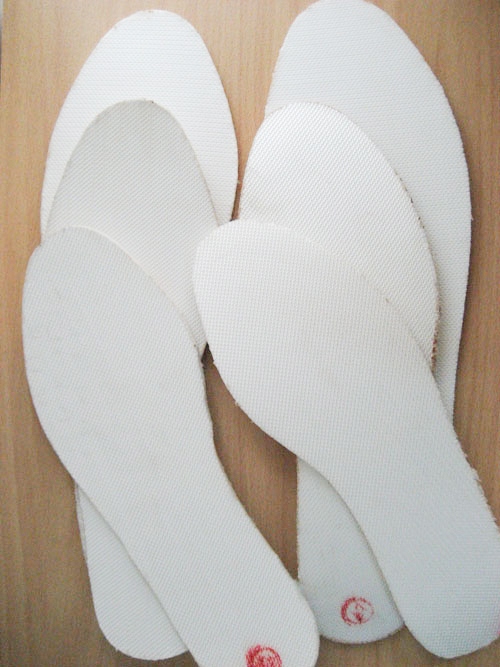
Underfoot protection relies on zero penetration insole fabric rather than steel plates, maintaining flexibility while resisting puncture hazards.
Selecting the right material combination depends on the primary operational hazard: electrical (EH-rated), magnetic (MRI/electronics), or security screening (airports/warehousing).
Workplace hazards continually evolve across modern industries. Traditional safety boots no longer satisfy every operational demand. Understanding specific site hazards dictates why full metal removal becomes essential.
Eliminating metal prevents continuous triggering of metal detectors. Airports and high-security warehouses rely on rapid personnel movement. Stopping workers for secondary screening wastes valuable operational time. A fully non-metallic boot ensures frictionless checkpoint navigation. Security teams can focus on actual threats rather than false alarms from footwear hardware.
Synthetic materials do not conduct electricity. They offer distinct advantages for electricians and maintenance crews. When paired correctly, these materials provide critical secondary protection against live circuits. Standard safety footwear might ground a worker dangerously. Metal-free designs isolate the wearer from potential electrical currents. OSHA guidelines heavily emphasize this secondary isolation strategy in high-voltage zones.
MRI facilities operate intense magnetic fields constantly. High-precision electronics manufacturing also requires absolute absence of magnetic interference. Even small steel eyelets become hazardous projectiles near active MRI machines. Tech cleanrooms demand similar magnetic neutrality to protect sensitive microchips. Non-metallic footwear guarantees zero magnetic signature.
Unlike steel, synthetic materials do not transfer extreme cold or heat to the foot. Steel toe boxes often act as conductive freezers in winter environments. They cause rapid heat loss from the toes. Synthetic components retain internal body heat efficiently. This thermal isolation reduces worker fatigue in extreme temperature environments like cold storage or foundries.
All certified synthetic toe caps meet the exact same base safety standards. They successfully deflect 75 lbs of impact and compression according to ASTM guidelines. Procurement evaluation criteria should focus elsewhere. You must compare weight, toe-box bulk, and cost per unit.
Manufacturers construct these from a specialized blend. The mixture typically includes heavy-duty plastic, Kevlar, and carbon fiber elements.
Pros: They are highly versatile and cost-effective for bulk workforce rollouts. They deliver excellent electrical resistance for utility workers.
Trade-offs: The material tends to be thicker than steel. This requirement for volume results in a noticeably bulkier toe box. Workers often complain about a wider shoe profile.
Standard composite toe caps offer a reliable middle ground. They serve perfectly well for general industry applications where budget constraints matter.
This material utilizes woven glass fibers embedded securely in a resin matrix. The curing process hardens the fibers into a rigid defensive shell.
Pros: They provide superior thermal insulation. They are lighter and thinner than standard composite versions. They also remain highly resistant to cracking under sustained pressure.
Trade-offs: Buyers face mid-tier pricing. They are slightly heavier than pure carbon fiber options.
Fleet managers increasingly prefer fiberglass toe caps for outdoor work. Their thermal properties make them ideal for varying seasonal climates.
Engineers build these using advanced woven carbon filaments. The intricate weaving process creates incredible tensile strength.
Pros: They boast the highest strength-to-weight ratio available. The material provides the thinnest possible profile. This allows for a sleeker, lighter boot design mimicking standard athletic footwear.
Trade-offs: They carry a premium cost. Buyers best reserve them for roles requiring extensive walking or specialized high-end safety gear.
Courier services and warehouse pickers benefit greatly from carbon fiber toe caps. The reduced weight significantly minimizes leg fatigue over a twelve-hour shift.
Table: Synthetic Toe Protection Comparison Guide
Material Type | Profile Thickness | Weight Impact | Primary Use Case |
|---|---|---|---|
Standard Composite | Thickest | Moderate | General construction, budget rollouts |
Fiberglass Matrix | Medium | Light | Outdoor environments, thermal needs |
Woven Carbon Fiber | Thinnest | Ultra-Light | High-mileage walking, athletic styles |
Underfoot puncture hazards account for thousands of workplace injuries annually. Exposed nails, sharp scrap metal, and shattered glass pose constant threats. Addressing these risks requires robust midsole defensive layers.
Traditional safety boots rely heavily on rigid steel midsoles. These steel plates are heavy and notoriously inflexible. They force the foot into an unnatural walking gait. Furthermore, steel midsoles always trigger security scanners. Walking on rigid steel all day creates immense stress on plantar fascia ligaments.
Modern engineering solves this problem by utilizing zero penetration insole fabric. Manufacturers often weave these textiles from high-tenacity aramid fibers like Kevlar. The tightly woven layers trap penetrating objects before they reach the footbed.
You must evaluate synthetic midsoles across three critical operational dimensions.
Coverage Area: Synthetic fabrics protect 100% of the footbed. Traditional steel plates often leave a perimeter gap to allow the shoe to flex. This gap creates vulnerable strike zones.
Flexibility & Ergonomics: Fabric midsoles move naturally alongside the foot. This flexibility significantly reduces worker fatigue during long shifts. Workers traversing hard warehouse concrete notice immediate ergonomic relief.
Standard Compliance: Always ensure the zero penetration insole fabric meets strict benchmarks. Verify ASTM PR (Puncture Resistance) or EN ISO 20345 certification on the spec sheet. Without certification, the fabric cannot legally claim safety compliance.
Many safety footwear programs fail due to microscopic oversights. Overlooking secondary hardware ruins the entire compliance effort. You must inspect every structural layer.
Buyers often source boots featuring synthetic toe protection. They deploy these boots confidently across the workforce. Soon after, employees fail compliance checks due to secondary hardware. A single metal zipper or arch shank renders the boot non-compliant. This oversight wastes procurement budgets and frustrates security personnel.
Achieving true metal-free status requires replacing several traditional shoe components. Manufacturers must substitute these hidden elements carefully.
Shanks (Arch Support): Traditional boots use steel shanks for ladder climbing support. Manufacturers must construct replacement shanks from rigid nylon, TPU (Thermoplastic Polyurethane), or fiberglass instead. These materials provide equivalent torsional stability without the magnetic signature.
Lacing Hardware: Eyelets, lace hooks, and zippers demand strict attention. Manufacturers must utilize heavy-duty industrial plastic or durable polymer hardware. Cheap plastic shatters in cold weather. Industrial polymers resist impact and harsh chemicals.
Outsoles: Standard rubber or PU (Polyurethane) is inherently metal-free. However, you must vet these materials for specific site hazards. Determine the necessary slip-resistance coefficient and EH-ratings based on the site matrix.
Always demand an exploded view diagram from your footwear vendor. This diagram reveals the composition of hidden internal layers. Verify every single component before signing purchase orders.
Sourcing the perfect metal-free boot requires a systematic approach. Random selection leads to poor worker adoption and wasted capital. Follow these exact steps to ensure operational success.
Define the primary goal clearly. Are you trying to pass metal detectors at an airport? Are you avoiding electrical conductivity for linemen? Do you need to prevent magnetic interference in a medical wing? Each goal dictates a specific material priority.
Marketing terminology often misleads buyers. Request official manufacturer spec sheets immediately. Demand detailing regarding the composition of the shank and eyelets. Do not base decisions solely on the toe cap material. Look for explicit "non-metallic hardware" guarantees in writing.
Different job roles exert different stresses on footwear. Match the synthetic components to the daily physical demand.
High Mobility Roles (Courier/Warehouse): Prioritize ultra-lightweight components. Specify carbon fiber toes and lightweight EVA midsoles. Flexibility and low weight matter most here.
Heavy Industry and Outdoor Roles: Prioritize durability and thermal protection. Specify fiberglass toes combined with aggressive TPU outsoles. These stand up to rugged gravel and extreme temperatures.
Never roll out fleet-wide footwear blindly. Establish a 30-day wear test program first. Select a small worker cohort representing various job functions. Ask them to validate ergonomic claims and real-world durability. Gather their feedback regarding toe box width and sole flexibility. This trial phase prevents disastrous, wide-scale purchasing errors.
Transitioning to metal-free safety footwear requires looking past basic marketing claims. Evaluating the entire boot ecosystem ensures genuine safety compliance. You must inspect everything from the internal puncture textiles to the external lacing hardware. Understanding how different synthetic materials function empowers better purchasing decisions.
We highly recommend auditing your current safety footwear compliance standards immediately. Check your existing inventory for hidden metal components. Next, contact a specialized footwear vendor directly. Request fully non-metallic, EH-rated, or scanner-safe test pairs for your workforce. Prioritizing accurate material selection guarantees safer, more efficient operations across your entire facility.
A: Yes. To be legally sold as safety footwear, both materials must pass the exact same standardized impact and compression tests, such as ASTM F2413. They simply achieve this standard using different volumes of material. Synthetic options usually require a slightly thicker profile to match steel's raw strength.
A: No. True metal-free boots containing absolutely no metal shanks, eyelets, or toe caps will pass through standard walk-through metal detectors without alarming. They ensure frictionless movement across secure checkpoints.
A: It is a densely woven synthetic textile, typically made of aramid fibers. Manufacturers place this layer inside the midsole of a boot. It prevents sharp objects like nails or glass from puncturing the sole and injuring the foot, effectively replacing an outdated steel plate.
A: Yes, EH-rated boots can have metal components like a steel toe, provided they are fully enclosed in non-conductive materials. However, in environments with severe electrical hazards, many safety managers prefer 100% metal-free boots to eliminate all associated grounding risks.