Views: 0 Author: Site Editor Publish Time: 2026-09-04 Origin: Site
10-to-12-hour shifts take a heavy physical toll on industrial workers. Traditional heavy-duty boots contribute significantly to musculoskeletal fatigue. You see this frequently in high-motion jobs like warehousing and logistics. Many procurement managers and workers fear moving away from steel. They worry lighter footwear fails to provide adequate crush or impact protection. However, this "steel-only" mindset is an outdated myth. Modern safety footwear engineering effectively solves this problem. Recent advancements in toe caps and midsole materials change the game. Buyers can now optimize for ergonomics and specific environmental hazards simultaneously. You can achieve this while maintaining full workplace compliance. These modern materials easily pass rigorous ASTM and EN ISO standards. In this guide, you will learn how lightweight safety footwear works. We will explore various material innovations. You will also discover how to select the right protective components for your team.
Protection is Material-Agnostic: Advanced lightweight toe caps (composite, carbon, nano, aluminum) pass the exact same ASTM F2413 and EN ISO 20345 impact and compression tests as traditional steel.
Weight vs. Profile Trade-offs: While composites eliminate metal and reduce weight, they often require a bulkier shoe profile; carbon fiber and nano materials solve both weight and bulk but at a higher cost.
Total Shoe Architecture Matters: Replacing a steel toe is only step one; combining modern toe boxes with aramid fiber midsoles and dual-density outsoles maximizes fatigue reduction.
Environment Dictates Selection: Metal-free environments require specific non-metallic caps, while high-abrasion environments dictate specific upper materials regardless of toe weight.
Every ounce matters when workers stand or walk for extended periods. Ergonomics experts often discuss the "weight at the foot" multiplier effect. Carrying extra weight on your feet requires disproportionately more energy than carrying it on your back. Research shows one pound on the foot equals roughly five pounds on the back. Over a single 10-hour shift, an extra few ounces translates to thousands of pounds of lifted weight. Reducing this footwear weight directly lowers daily energy expenditure. Workers maintain better posture and experience less lower-back strain.
Safety managers often question if lighter shoes compromise safety. They do not. Weight reduction does not lower the legal safety threshold. Modern lightweight materials undergo identical testing protocols. For ASTM F2413 compliance, shoes must pass specific impact and compression thresholds. The I/75 rating means the shoe withstands a 75-foot-pound impact. The C/75 rating ensures it survives 2,500 pounds of compression. Lightweight materials pass these pass/fail tests just like heavy steel.
To measure the success of a lightweight footwear transition, you need clear criteria. Procurement teams should track specific metrics to justify the investment. Consider these three success criteria:
Worker Adoption Rates: High compliance naturally follows when boots feel like athletic sneakers. Workers stop removing their shoes during breaks.
Reduced Fatigue-Related Injury Claims: Track incidents of plantar fasciitis, knee pain, and lower back strain. These should decrease significantly.
Durability Lifespans: Monitor how long the shoes last in your specific environment. A successful shoe balances weight reduction with exterior longevity.
Understanding material science helps you make better purchasing decisions. Steel is no longer the only option for industrial protection. Several advanced materials offer distinct advantages and limitations. Below is a comparison chart to help you visualize these differences.
Modern Safety Toe Material Comparison
Material Type | Weight Reduction (vs Steel) | Profile Thickness | Best Application |
|---|---|---|---|
Aluminium | 30% - 50% lighter | Thin (Similar to steel) | Traditional boot shapes, general industry |
Composite | 30% - 40% lighter | Thick / Bulky | Electricians, metal-free zones |
Carbon Fiber | 40% - 50% lighter | Medium-Thin | Couriers, light manufacturing |
Nano Technology | Up to 50% lighter | Ultra-Thin | Premium athletic safety shoes |
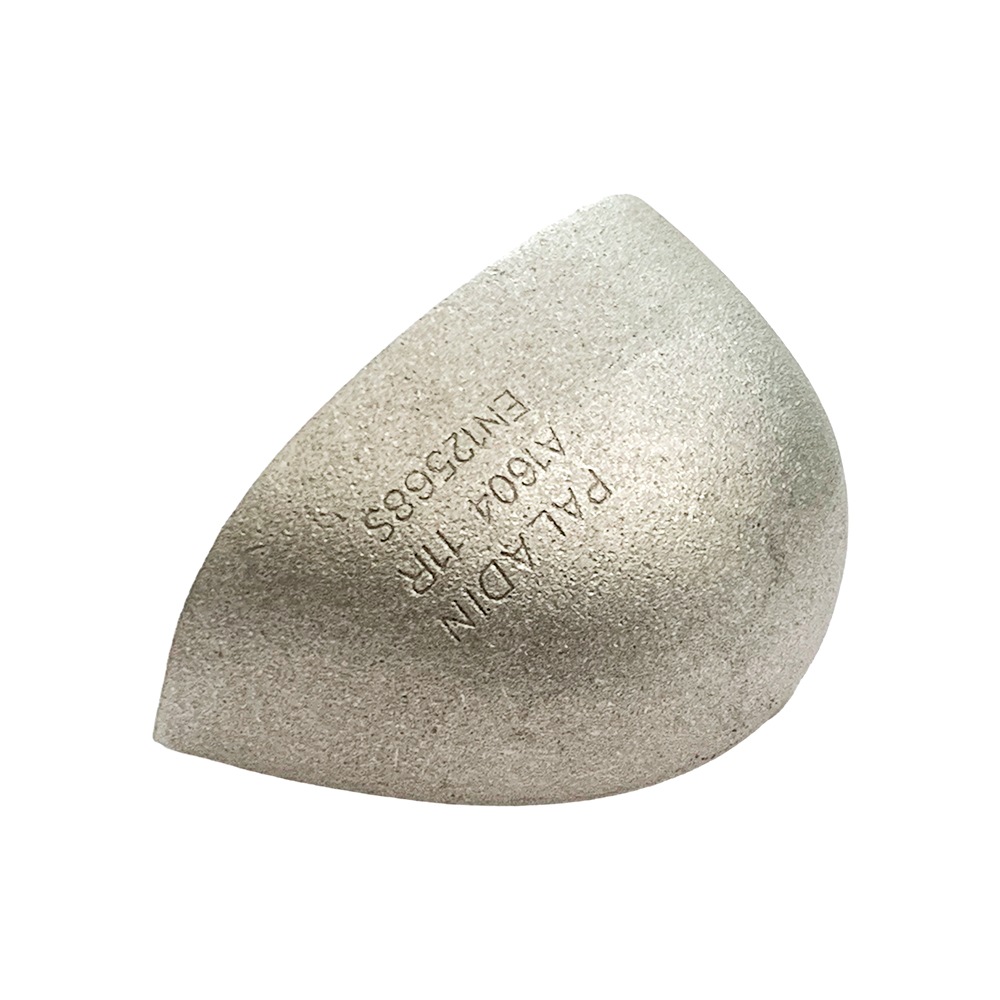
Manufacturers design aluminium toe caps for workers who prefer traditional boot styles. They weigh approximately 30-50% less than standard steel. Despite this weight reduction, they maintain a very thin profile. This thinness keeps the toe box sleek and unobtrusive.
Best For: Workers needing a classic boot shape but wanting less daily fatigue. They suit general construction and factory environments well.
Limitations: Aluminum remains a metal. It will set off security metal detectors. It also conducts heat and cold easily. You should avoid it in extreme temperature environments.
Engineers create composite toe caps from plastics, Kevlar, or fiberglass. These components are completely metal-free. They do not conduct electricity, making them highly Electrical Hazard (EH) friendly. They also provide excellent temperature insulation.
Best For: Electricians, airport workers, and teams facing extreme weather. They excel in environments requiring frequent passage through security scanners.
Limitations: Plastic and fiberglass lack the natural density of metal. Therefore, manufacturers must make them thicker to achieve the same crush rating. This requirement results in a noticeably bulkier toe box.
Think of carbon fiber toe caps as the evolution of the standard composite toe. Carbon fiber offers a vastly superior strength-to-weight ratio. This advancement allows for a thinner profile than standard plastics. They remain 100% metal-free while shedding significant bulk.
Best For: Agility-focused roles like couriers and light manufacturing. They fit perfectly inside modern athletic-style work shoes.
Limitations: Manufacturing carbon fiber is complex. This complexity translates to a higher price point for the end consumer.
Safety footwear innovation peaks with nano toe caps. These utilize carbon nanotubes to create the strongest possible structure. They offer the thinnest wall thickness and the lightest weight available today. They retain absolute structural integrity under extreme pressure.
Best For: Premium lightweight athletic safety shoes. They also benefit users with wide feet. Standard composites often feel too restrictive, but nano materials free up internal space.
Limitations: They carry the highest upfront cost on the market. You will also find limited availability if you prefer heavy-duty, traditional boot styles.
Replacing a steel toe is only the first step. True weight reduction requires a holistic approach to shoe architecture. Engineers must evaluate every component of the footwear.
Puncture-Resistant (PR) Midsoles: Traditional boots use rigid steel base plates to stop nails. Modern designs transition to woven aramid fibers, such as Kevlar. These fibers maintain strict sharp-object protection. They simultaneously increase sole flexibility and dramatically cut weight.
Outsole & Midsole Compounds: Heavy, solid rubber bottoms cause severe fatigue. Brands now shift to EVA (Ethylene-Vinyl Acetate) and injected Polyurethane (PU) foams. These materials provide superior shock absorption. They mimic the feel of running shoes while offering extreme weight reduction.
Upper Materials: Full-grain leather is incredibly durable but exceptionally heavy. For indoor or dry environments, leather is often unnecessary. Modern shoes use abrasion-resistant synthetic meshes, ripstop nylons, and TPU overlays. These synthetics breathe better and weigh a fraction of traditional leather.
Best Practice: Always inspect the midsole material. A lightweight shoe loses its ergonomic benefit if it relies on a heavy steel puncture plate. Ensure the shoe uses aramid fibers for underfoot protection.
No single shoe design works universally. You must match the footwear's engineering to your specific workplace hazards. Misalignment leads to rapid shoe degradation or inadequate protection.
Warehousing & Logistics: Warehouse workers walk miles on flat concrete every day. Footwear weight is their primary enemy. Prioritize nano or carbon fiber materials. Pair these advanced caps with thick EVA midsoles. This combination guarantees maximum step-count comfort. It reduces joint impact and keeps workers agile.
Aviation, Security & Electrical: These industries operate strictly within metal-free zones. Metal components cause security delays and electrical hazards. Mandatory non-metallic environments dictate standard composite materials. You must prioritize EH ratings. Ensure the shoes also feature non-metallic lacing hardware, such as plastic eyelets or zipper components.
Construction & Heavy Industrial: Heavy industry demands balance. You cannot sacrifice exterior longevity for absolute minimum weight. High-abrasion environments shred synthetic mesh uppers quickly. Aluminum or heavier composites work best here. Combine them with durable welt construction and heavy-duty leather. You sacrifice some weight reduction, but you retain critical ankle support and chemical resistance.
Transitioning an entire workforce to lighter footwear involves risks. Procurement teams often encounter unexpected hurdles. Awareness of these challenges ensures a smoother rollout.
The Bulk/Fit Challenge: Fit is highly subjective. Educate your buyers and workers about sizing shifts. Switching from steel to standard composite often requires sizing adjustments. Because composite walls are thicker, the internal toe box shrinks. Workers might need wide-width sizes. This prevents uncomfortable toe rubbing and blisters.
Cost vs. Durability Matrix: Lightweight athletic safety shoes feel amazing out of the box. However, mesh uppers and EVA foams have shorter exterior lifespans. Harsh chemicals, sharp metal shavings, or high-abrasion surfaces destroy them quickly. Heavy leather boots last longer in these brutal conditions. You must weigh the upfront cost against replacement frequency.
Common Mistake: Do not issue a site-wide mandate immediately. Changing footwear styles abruptly often leads to complaints about fit or durability.
Trial and Rollout Strategy: We highly recommend a pilot testing phase. Select a small, diverse crew of workers. Give them the new lightweight models for 30 days. Gather their feedback on real-world durability. Ask them if they notice fatigue reduction. Validate these claims before committing to site-wide procurement.
Shedding boot weight remains a proven method for reducing workplace fatigue. By eliminating unnecessary ounces, workers preserve energy, maintain better posture, and suffer fewer musculoskeletal injuries. However, you must carefully evaluate your options. The choice of protective material must strictly align with your hazard environment and your budget constraints. Moving away from steel does not compromise safety, provided you select certified alternatives.
Your next steps require careful evaluation. Encourage your procurement team to audit your current footwear compliance requirements. Assess the dominant environmental hazards on your site. Are you dealing with electrical risks, security scanners, or extreme abrasion? Once you define these parameters, shortlist models utilizing the specific technologies outlined above. A thoughtful transition to modern safety footwear will protect your team while transforming their daily comfort.
A: Yes. Safety standards like ASTM F2413 and EN ISO 20345 are pass/fail performance tests. They measure how well a shoe withstands impact and compression. The testing ignores the material itself. As long as the cap passes the required force thresholds, it is fully compliant, regardless of whether it is steel, plastic, or carbon.
A: Nano technology provides the absolute lightest protection available. Carbon fiber follows very closely behind. Both utilize advanced carbon structures to minimize weight while maximizing strength. The weight differences between them are minor, but nano materials allow for a slightly thinner wall, freeing up more internal space.
A: It depends on your needs. Carbon fiber offers a superior strength-to-weight ratio. This allows for a thinner profile and less bulk inside the shoe. However, standard composites are usually more cost-effective. If budget is a concern, standard composites work well, though they result in a bulkier shoe silhouette.
A: The protective cap itself will not degrade. However, the rest of the shoe might. Lightweight athletic styles use synthetic mesh uppers and EVA foam midsoles. These materials maximize comfort but wear out much faster under heavy abrasion or chemical exposure compared to heavy leather and solid rubber.