Views: 0 Author: Site Editor Publish Time: 2026-06-08 Origin: Site
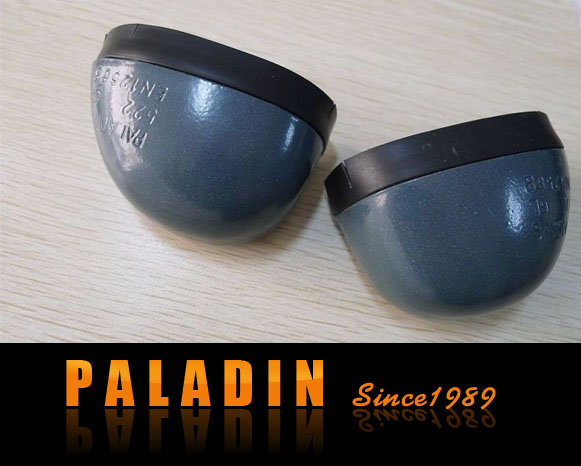
A Steel Toe Cap is the undisputed benchmark for impact and compression protection. For decades, it has stood between heavy machinery and devastating workplace injuries. However, choosing a boot based solely on the word "steel" is a serious oversight. A poorly integrated cap causes debilitating foot fatigue. It leads to painful blisters. It also triggers premature boot failure. Workers frequently abandon uncomfortable boots, exposing themselves to catastrophic job-site risks.
In this guide, we transition buyers from generic material comparisons to deeper evaluations. You will learn to assess build quality, decode compliance certifications, and verify real-world durability in abrasive environments. We acknowledge a critical reality upfront. Steel offers the highest absolute compression strength available. However, its added weight and thermal conductivity demand careful selection. You must match these traits to specific job-site realities to ensure lasting safety and comfort.
By the end of this article, you will understand how to properly evaluate structural integration. You will also know how to spot the red flags of subpar safety footwear.
Compliance First: A qualified steel toe cap must carry verifiable ASTM F2413-24 (or equivalent) I/C ratings; visual presence of steel is not enough.
Material Realities: Steel dents upon extreme impact (preventing toe severing), whereas composites may crack and require immediate, mandatory replacement after a single severe strike.
Structural Integration: The toe cap is only as effective as the boot’s toe box width, outsole construction, and external abrasion protection.
Fit is Non-Negotiable: Steel does not stretch or break in. Proper sizing and appropriate sock pairing are critical to prevent blistering and long-term joint pain.
Workplace safety begins with objective measurement. Many buyers mistakenly assume OSHA specifically mandates the use of steel materials. In reality, OSHA mandates specific performance criteria. They require footwear to withstand precise impact and compression forces. A high-quality Steel Toe Cap simply meets and exceeds these criteria with ease. The evaluation framework relies entirely on standardized testing rather than marketing claims.
To qualify as protective footwear in the United States, boots must pass the rigorous ASTM F2413-24 standard. You must look for this specific label stitched inside the boot tongue.
I/C Rating Breakdown: The letters "I" and "C" represent Impact and Compression. The cap must withstand a 75-pound weight dropped from a designated height. It must also resist 2,500 pounds of sustained static compression. This mirrors the force of a small forklift rolling over the foot.
EH (Electrical Hazard) Mythbust: A pervasive industry myth claims you cannot wear steel toes in electrical environments. This is entirely false. Steel caps are completely EH-compliant as long as they are fully enclosed. Non-conductive materials like heavy leather and rubber surround the metal. Because the steel never touches the live circuit or the ground, it cannot complete an electrical path.
You must also watch out for dangerous red flags in the market. Never purchase uncertified "fashion" steel toes. These boots mimic the look of workwear but collapse fatally under pressure. Furthermore, avoid aftermarket slip-on steel toe covers. Safety standards require the protective element to be a permanent, integral part of the boot's construction. External slip-ons fail permanent integration standards and leave workers vulnerable.
Modern work boots utilize three primary materials for toe protection. Each material interacts differently with temperature, weight, and force. To make an informed decision, you must understand where each material excels and where it fails.
Below is a decision matrix comparing the core traits of the three major safety toes:
Feature | Steel Toe | Alloy (Aluminum) Toe | Composite (Carbon/Kevlar) Toe |
|---|---|---|---|
Compression Resistance | Highest absolute threshold. | High, but deforms faster under extreme load. | High, but relies on bulkier thickness to pass. |
Weight Profile | Heaviest option. | 30% lighter than steel. | 50% lighter than steel. |
Thermal Conductivity | High (transmits extreme cold and heat). | High (dissipates heat quickly, but still conductive). | None (excellent insulation). |
Security Clearance | Triggers metal detectors. | Triggers metal detectors. | Passes security smoothly. |
Cost | Lowest baseline cost. | Moderate to High. | Highest baseline cost. |
Beyond the basic metrics, you must understand the "single-use" reality of composite materials. This is a critical differentiator for heavy industries. When a massive weight strikes a composite toe, the material absorbs the energy. It often rebounds to its original shape. However, the internal carbon or Kevlar structure sustains invisible micro-fractures. It immediately loses its structural integrity. You must enforce immediate, mandatory replacement after a single severe strike.
Conversely, a Steel Toe Cap behaves differently under extreme stress. It deforms and dents. This provides clear, undeniable visual evidence of a major impact. More importantly, it maintains a baseline level of structural protection during the crush event. It bends rather than shatters. For workers in extreme environments like logging or heavy steel fabrication, this predictable deformation is heavily preferred.
A high-quality toe cap provides zero value if the boot falls apart around it. We frequently see a common field failure across construction sites. Heavy abrasion destroys the outer boot leather long before the sole wears out. Workers kneel on concrete, drag their feet across rebar, or kick sharp glass. This wears through the toe leather in mere months. It exposes the steel cap to moisture, creating rust. Ultimately, this ruins an otherwise expensive boot.
To prevent this, you must evaluate the external protection engineered into the footwear. Do not rely on plain leather alone if your job requires frequent kneeling.
Factory Solutions: The most reliable defense comes directly from the manufacturer. Look for boots engineered with built-in TPU (Thermoplastic Polyurethane) Scuff Caps. These rugged guards mold directly over the toe area. Some premium brands use heavy molded toe bumpers or Kevlar-reinforced toe overlays. These factory additions vastly extend the lifespan of the leather beneath them.
Post-Purchase Solutions: If you already own boots without factory scuff guards, you can apply aftermarket solutions. Polyurethane brush-on treatments serve as an excellent preventative maintenance step. You mix a two-part epoxy and paint it directly onto the toe leather. It cures into an impenetrable plastic shell.
Application Warnings: When applying post-purchase resins, you must use caution. Tape off the edges carefully. You must avoid painting over the Goodyear welt line. If the hardened resin seals the welt stitching, a cobbler cannot remove the sole later. This ensures the boot remains fully resolable for years.
The protective metal dome is just one component of foot safety. The surrounding boot geometry dictates whether you experience comfort or agonizing joint pain. A qualified boot integrates the cap seamlessly into the overall architecture.
First, examine internal sizing and asymmetrical design. Human feet do not slope evenly. A superior boot uses an asymmetrical Steel Toe Cap. This specialized shape follows the natural downward slope of your outer toes. It aggressively prevents rigid metal from rubbing against your pinky toe. If the cap is strictly symmetrical, it will cause severe blistering during a long shift.
Next, evaluate the underlying boot construction methods. The way the upper leather connects to the sole changes the boot's flexibility.
Goodyear Welt: This classic method stitches the leather, a welt strip, and the sole together. It offers the highest durability in harsh chemical environments. It is easily resolable. However, it feels much stiffer out of the box and requires a break-in period.
Direct Attach / Injection: Factories inject molten polyurethane directly into a mold surrounding the leather upper. This forms an unbreakable, watertight seal around the toe area. It provides superior out-of-the-box flexibility. While highly comfortable, it is generally much harder to resole.
Finally, consider footbed and shank integration. Heavy steel toes alter the natural center of gravity. They pull the front of the boot downward. To counterbalance this weight, evaluate boots featuring robust internal shanks. Fiberglass or steel shanks provide rigid midfoot support. Pair this with anti-fatigue midsoles made of dual-density polyurethane. These components absorb shock and prevent the heavy toe from straining your calf muscles.
For safety managers outfitting an entire crew, purchasing decisions carry massive weight. Rolling out a new boot fleet without prior testing invites widespread complaints and reduced compliance. You need a structured approach to validate your footwear choices.
We strongly recommend initiating a pilot testing protocol. Buy a small batch of selected boots for a 30-day field test. Distribute them to a diverse group of workers across different site roles. You want to monitor worker fatigue levels carefully. Ask them specific questions about ankle support and toe box pinching. Gather this data before committing to a fleet-wide rollout.
During this pilot, you must control for the "Sock Factor." Cross-optimization is vital. Many workers wear standard 100% cotton socks. Cotton traps sweat aggressively. It swells and creates massive friction against the rigid interior of a steel toe boot. This ruins the testing data because the worker blames the boot for blisters caused by the sock. You should recommend or supply merino wool or synthetic moisture-wicking blends for the evaluation period. These materials move moisture away from the skin, allowing the boot's breathable lining to function properly.
Finally, establish a proactive replacement cycle. Do not leave boot retirement to worker guesswork. Create objective visual criteria for your crews. Define exact failure points. For example, mandate immediate replacement if they see exposed steel. Demand new boots if the welt stitching becomes compromised. Replace footwear when the outsole tread degrades past a specific depth. Clear rules remove hesitation and keep safety standards universally high.
Selecting the right protective footwear requires far more than verifying a metal dome exists. You must navigate safety standards, understand material behaviors, and prioritize anatomical fit. Following a structured shortlisting logic ensures you protect both your workers and your budget.
Verify Certifications First: Always confirm the presence of valid ASTM F2413-24 tags for impact and compression.
Assess the Environment: Confirm if you deal with metal detectors or extreme cold. If so, pivot to composite. If not, rely on the proven strength of steel.
Prioritize External Armor: Select boots with proper scuff protection, like TPU bumpers, to shield the leather against heavy abrasion.
Mandate Strict Fitting: Enforce a thorough fitting process with appropriate moisture-wicking socks to prevent blisters.
Your next steps require practical action. Evaluate your current job-site hazard assessments immediately. Consult your facility's safety compliance guidelines to confirm specific requirements. From there, explore a curated catalog of certified steel-toe footwear to find the perfect anatomical match for your crew.
A: No. This is a thoroughly debunked myth. Extensive testing proves otherwise. The sheer force required to crush a steel toe enough to sever digits is massive. If the steel cap were absent, that same force would destroy the foot entirely. Steel provides vital deflection and saves toes.
A: No. Steel will reliably trigger standard metal detectors. For high-security facilities like nuclear power plants, government buildings, or airports, you will face constant delays. In these specific environments, composite, kevlar, or carbon fiber toes are strictly required.
A: Generally, no. ANSI and ASTM standards mandate the safety toe must be a permanent, integral part of the boot's physical construction. External strap-on covers fail this standard. They are only permitted under highly specific, temporary visitor exemptions in certain facilities.
A: Absolutely not. The steel structure is entirely rigid and will never break in or stretch over time. If the toe box rubs or pinches straight out of the box, you must size up. Alternatively, select a brand built on a wider "EE" toe box last.