Views: 0 Author: Site Editor Publish Time: 2026-06-21 Origin: Site
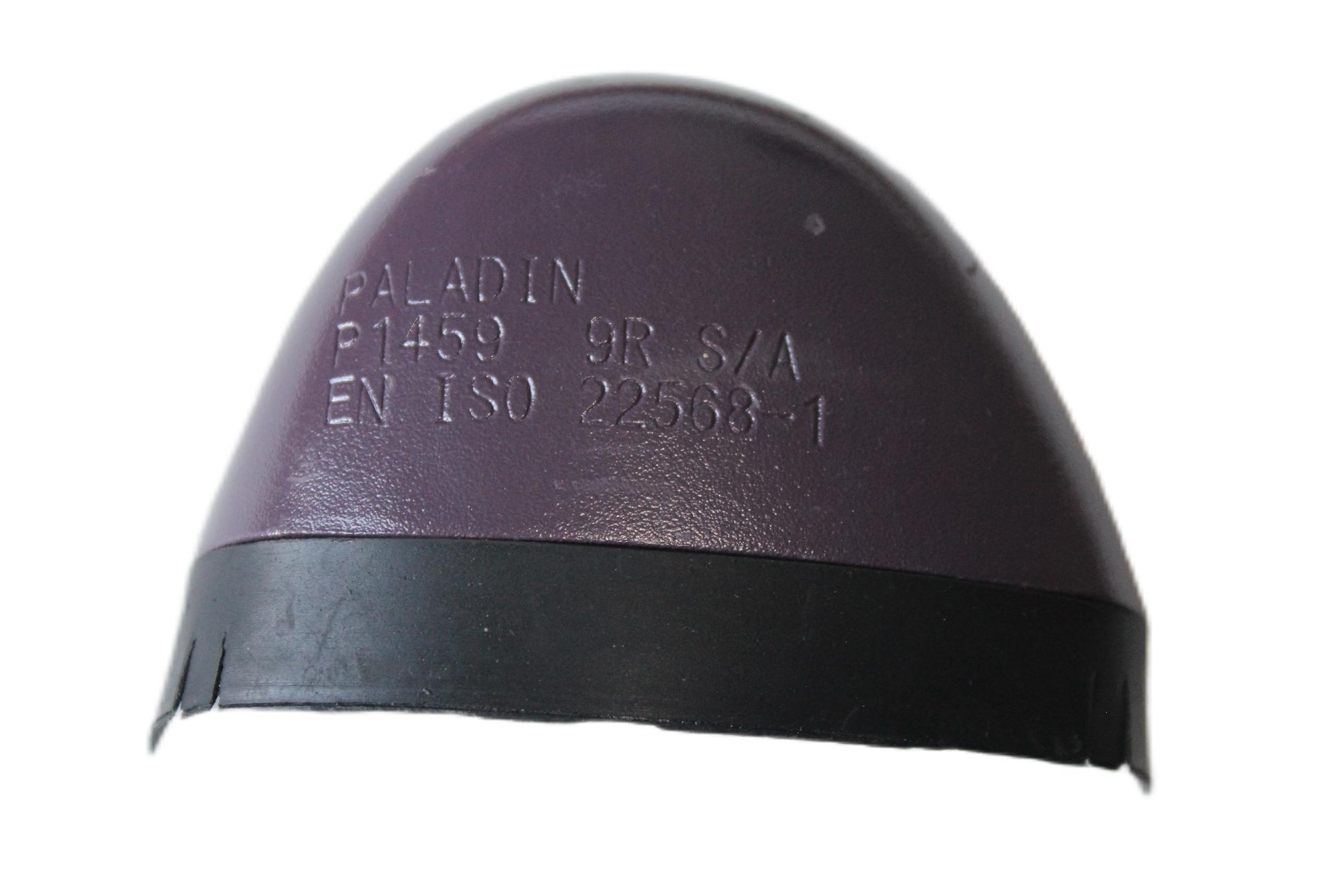
Workers often push their safety footwear to the absolute limit. Balancing tight workplace requirements with daily comfort creates a constant challenge. The biggest danger you face on site is invisible damage. A work boot might look perfectly fine on the outside. However, its internal structural integrity could be entirely compromised. Midsole collapse or a weakened Steel Toe Cap often occurs long before the exterior visually falls apart.
This hidden deterioration puts your feet, joints, and safety compliance at severe risk. We created this comprehensive guide to give you an evidence-based framework for footwear evaluation. You will learn how to accurately identify when a boot is genuinely dead. We also break down how to assess industrial materials before you purchase them. Finally, you will discover proven daily maintenance protocols to safely extend your footwear's usable life.
Lifespan Baseline: Heavy-duty usage averages 6–12 months; light-duty or rotational wear yields 12–24+ months.
The Impact Rule: A steel toe cap is a single-use protective structure against major impacts. Once dented or struck heavily, mandatory replacement is required by safety standards.
Static Degradation: Even unworn boots expire; polyurethane (PU) soles naturally degrade (hydrolysis) within 5–8 years of the manufacturing date.
Highest-ROI Maintenance: Rotating pairs daily and replacing insoles every 2–3 months prevents premature internal collapse and bacterial rot.
Most workers wonder exactly how long their safety boots should last. The truth depends entirely on your daily working environment. We developed a usage intensity matrix to provide realistic lifespan expectations.
Usage Intensity Matrix Chart | |||
Intensity Level | Typical Professions | Expected Lifespan | Primary Wear Factors |
|---|---|---|---|
Heavy-Duty | Concrete, Demolition, Welding | 6–12 months | Constant abrasion, extreme elements, sparks |
Medium-Duty | Plumbing, Carpentry, Electrician | 12–18 months | Frequent kneeling, uneven surfaces, sharp objects |
Light-Duty | Warehouse, Logistics, Assembly | 18–24+ months | High step count, flat concrete floors |
Many people assume unused boots last forever. This is a common mistake. Materials fatigue over time regardless of active use. Polyurethane (PU) outsoles suffer from a chemical process called hydrolysis in humid storage conditions. Moisture in the air slowly breaks down the polymers. Eventually, the soles simply crumble to dust.
You should always check the manufacturing date printed under the boot tongue. We recommend avoiding boots that have sat on a shelf for over three years. Their remaining shelf-life is already severely compromised.
There is a stark difference between a boot functioning and a boot being compliant. Under rigorous safety standards like EN ISO 20345 or ASTM, a boot's safety lifespan ends abruptly. The moment protective features drop below certified baselines, the boot fails compliance. Loss of slip resistance or a compromised Steel Toe Cap means the boot must be retired immediately. Wearing non-compliant gear leaves you vulnerable to severe workplace injuries.
Durability starts at the manufacturing level. Understanding materials helps you choose the right boot for your specific environment. Let us examine the foundation of any work boot.
The chemical composition of your outsole dictates its maximum potential lifespan. Different compounds react uniquely to terrain and temperature.
Rubber: This is the heaviest option available. However, rubber handles extreme temperatures, aggressive chemicals, and highly abrasive terrain best. It offers a strong 2–4 year material potential under tough conditions.
TPU (Thermoplastic Polyurethane): TPU provides excellent abrasion and slip resistance. It feels much lighter than traditional rubber. You can expect a reliable 3–5 year material potential from a quality TPU sole.
PU (Polyurethane): PU stands out as lightweight and highly chemical resistant. Unfortunately, it remains highly susceptible to water damage and dry rot. Its material potential ranges from 2–5 years, heavily depending on storage conditions.
How a manufacturer attaches the upper leather to the outsole determines how quickly the boot will fail. We categorize construction into three main methods.
Cemented (Glued): These boots cost less upfront. However, they are highly vulnerable to prolonged water exposure and extreme heat. Once the sole delaminates and peels away, the boot becomes trash. You cannot securely repair a cemented boot.
Goodyear Welt: This traditional method demands a higher initial investment. The manufacturer stitches the upper to a sturdy welt, which then attaches to the sole. This allows for professional resoling. Resoling significantly extends the life of the upper leather.
Direct-Attached (Injection): Manufacturers inject molten material directly onto the leather upper. This creates a seamless, watertight seal. Direct-attached boots perfectly suit persistently wet environments because they stubbornly resist sole separation.
Even the best boots face unrelenting enemies on the job site. We classify these destructive forces into three main categories. Understanding them helps you mitigate daily damage.
Your work surface fundamentally alters sole longevity. Rough concrete acts exactly like harsh sandpaper on rubber outsoles. Every step shaves off microscopic layers of tread. Meanwhile, industrial environments introduce harsh solvents, machine oils, and cleaning chemicals. These fluids actively dissolve shoe adhesives over time.
Additionally, tradesmen who kneel frequently face a unique challenge. Kneeling creates deep, sharp creases across the toe box. This repeated mechanical stress rapidly accelerates leather deterioration, ultimately exposing the Steel Toe Cap beneath.
How you walk plays a massive role in footwear destruction. Overpronation means your foot rolls inward during a step. Supination means it rolls outward. Both conditions cause severe, uneven sole wear. This fundamentally destabilizes the boot structure over time.
Body weight also factors heavily into the equation. Heavier individuals mathematically accelerate the compression of internal midsole foam. Once that foam flattens completely, it loses all kinetic shock absorption.
The physics of foot sweat dictate interior longevity. An average foot produces a significant amount of moisture during a long 12-hour shift. This sweat soaks directly into the internal liners.
Without a full 24 to 48 hours to thoroughly dry, this accumulated moisture causes severe issues. It breaks down supportive interior linings. It breeds harmful bacteria. Ultimately, the trapped moisture rots the heavy-duty stitching from the inside out.
You must know exactly when a boot transitions from "worn in" to definitively unsafe. Relying on damaged footwear invites serious injury. Watch carefully for these five critical failure signs.
The Dent Test (Impact Failure): If a heavy object strikes your boot, the internal structural integrity becomes instantly compromised. Even if the steel pops back into shape or looks fine externally, it has lost its vital secondary compression resistance. You must replace it.
Exposed Steel: Leather frequently wears away at the front of the boot. When this exposes the rigid Steel Toe Cap, it creates a dangerous cutting hazard for your foot. It also causes rapid heat and cold transfer. Furthermore, exposed metal completely voids any Electrical Hazard (EH) safety ratings.
Ergonomic Failure (Midsole Collapse): Do you experience persistent lower back, knee, or foot pain halfway through your shift? This is a clinical indicator. It means the midsole’s shock-absorbing kinetic chain is entirely dead. The boot can no longer protect your joints from concrete impacts.
Tread Balding & Uneven Wear: Flip your boots over regularly. Loss of tread means total loss of slip resistance. If your soles sit at a distinct angle when placed flat on a table, they are dangerous. Uneven wear drastically increases your daily risk of workplace falls.
Puncture Plate Flexibility Loss: Try folding the sole in half. If the sole folds too easily without resistance, you have a major problem. The internal steel shank or the protective puncture plate has either snapped completely or degraded safely beyond use.
Proper maintenance transforms how long your boots survive tough environments. A few minutes of daily care directly prevents premature material failure. Follow these protocols strictly.
Buying two pairs of boots at once seems expensive, but it actively doubles their total lifespan. The strategy is simple. You wear pair A on Monday and pair B on Tuesday. Letting one pair decompress and air-dry for 24 hours prevents deep bacterial rot. This rest period also allows compressed EVA and PU foams to rebound fully to their original shape.
Proper drying dictates leather survival. You must follow strict storage habits.
Do: Air dry your boots at room temperature. Store them in cardboard boxes because cardboard allows essential airflow. Stuff crumpled newspaper inside to actively absorb internal moisture overnight.
Don't: Never use space heaters, open radiators, or campfires to dry footwear. High heat bakes the leather until it cracks and melts structural adhesives. Never store wet boots in plastic bags, as this traps mold instantly.
You must aggressively defend the exterior of your footwear against daily abrasion.
Apply natural mink oil or specialized boot grease monthly. This prevents the leather from cracking under dry conditions. As a professional tip, we highly recommend applying two-part epoxy toe coatings (like Tufftoe) within the first month of wear. This creates a hard physical shield over the leather, protecting the internal safety cap from severe kneeling friction.
Replacing your insoles represents the easiest maintenance hack available. Factory insoles flatten out rapidly under heavy loads. Inserting fresh orthotic inserts restores vital internal cushioning. This simple upgrade prevents your heel from grinding directly into the boot's hard structural base, saving both the boot and your knees.
Protecting your physical safety and maintaining long-term biomechanical health must always remain your top priority. Pushing a damaged work boot past its structural limits inevitably leads to chronic joint pain and acute workplace injuries. Visual inspections alone are never enough to guarantee structural safety.
We strongly encourage you to actively inspect your current footwear using the "5 Mandatory Red Flags" framework outlined above. Do not simply wait for the sole to fall off. If your tread shows severe balding, your midsole feels entirely flat, or your safety cap has suffered a heavy impact, take immediate action. Invest in your physical well-being by retiring compromised boots today and implementing strict daily rotation habits moving forward.
A: The steel cap itself does not technically expire. However, the surrounding boot materials, like PU soles and adhesives, naturally degrade over 5 to 8 years even while sitting in a box. Additionally, after any major physical impact, the cap instantly loses its compression rating and is considered expired.
A: Once the steel is fully exposed, it poses severe safety and electrical hazards. If you catch the wear early, before full exposure, you can patch it using heavy-duty epoxy toe guards. If heavily exposed or if the cap feels loose, the entire boot must be replaced immediately.
A: The internal EVA or PU midsole foam has likely collapsed. This happens due to high-impact wear or failure to rotate multiple pairs. When the foam permanently flattens, the boot loses its kinetic shock absorption completely, transmitting hard floor impacts directly into your joints despite a clean exterior.