Views: 0 Author: Site Editor Publish Time: 2026-07-19 Origin: Site
Industrial safety managers and frontline workers frequently face a difficult daily trade-off. They must constantly choose between maintaining all-day ergonomic comfort and ensuring maximum impact protection. Balancing chronic physiological wear against sudden workplace hazards remains an ongoing challenge across every industrial sector.
A significant industry shift is currently underway to address this gap. Modern composite materials are quickly replacing traditional heavy footwear on demanding job sites. However, deep workforce skepticism remains regarding their ultimate failure limits and overall reliability under extreme pressure.
This article provides an objective, evidence-based comparison of fiberglass materials versus traditional steel. You will uncover verifiable structural data to support both large-scale procurement strategies and individual daily wear decisions. We clarify exact safety standards, explain material mechanics, and highlight ideal practical applications to help you protect your teams effectively.
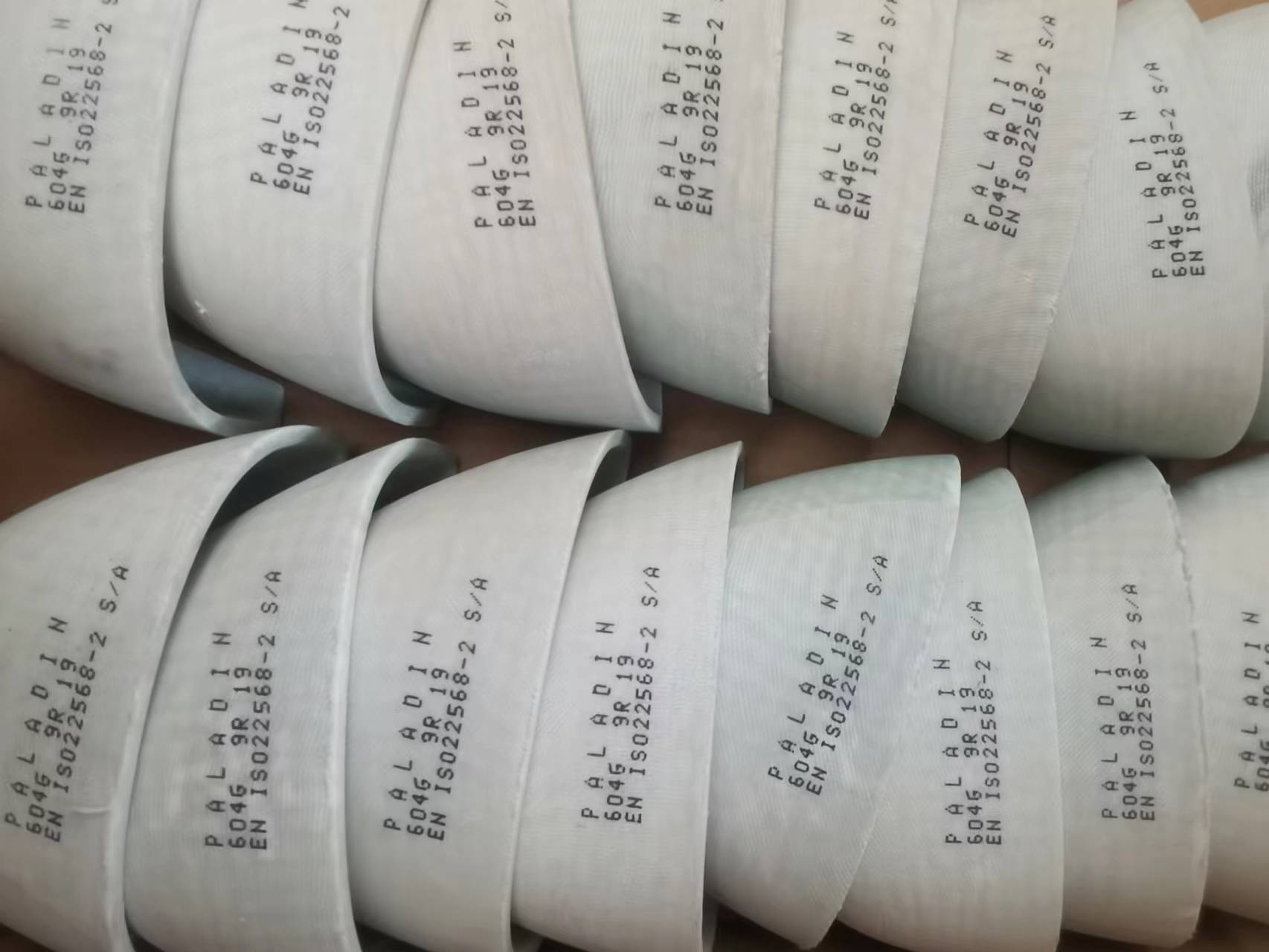
Safety standards do not grade on a curve based on material type. Regulatory bodies demand identical performance regardless of what sits inside the boot. When you compare Fiberglass Toe Caps against traditional steel, both must cross the exact same regulatory threshold.
To achieve certification, every safety toe cap must survive two primary tests under EN ISO 20345 and ASTM F2413 frameworks:
Structural mechanics dictate how different materials pass these identical tests. You must understand the physics of force displacement to trust your equipment. Steel absorbs dangerous kinetic energy through plastic deformation. This means the metal bends inward permanently. Once dented, it stays dented.
Conversely, Fiberglass Toe Caps absorb energy through elastic deformation and deliberate micro-fracturing. The dense woven fibers flex inward slightly and then spring back toward their original shape. Under extreme peak loads, the material safely disperses energy through microscopic internal breaks.
This brings us to the famous "shatter" myth. Many veteran workers believe fiberglass will explode like glass under pressure. This represents a dangerous misunderstanding of composite engineering. Fiberglass does fracture when pushed beyond its absolute maximum limit. However, safety engineers design it this way deliberately. If a falling object is heavy enough to completely crush a fiberglass cap, that exact same load would flatten a steel cap completely. A flattened steel cap often leads to amputation. A fractured fiberglass cap often allows easier medical extraction.
Boot weight directly impacts worker health and daily stamina. Fiberglass reduces toe-box weight by up to 30% to 50% compared to traditional steel inserts. This seemingly small reduction translates into massive ergonomic gains over time.
Consider the mechanics of walking. A worker takes thousands of steps during a standard 12-hour shift. Lifting an extra heavy boot repeatedly creates a compounding kinetic strain. The extra effort travels up the legs and settles in the lower back.
When workers feel comfortable, they stop taking off their safety boots during breaks. They complain less about foot pain. Productivity remains steady through the final hours of the workday.
Working in extreme temperatures exposes distinct weaknesses in traditional materials. Thermal conductivity measures how fast a material transfers heat or cold. Steel possesses extremely high thermal conductivity. It transfers extreme cold directly to the toes during winter operations. It also pulls in radiant heat rapidly when working in foundries or fresh asphalt.
Fiberglass acts as a powerful thermal insulator. The non-metallic fibers block temperature transfers effectively. Your feet stay warmer in sub-zero freezers and cooler in high-heat manufacturing plants. This insulation factor provides a massive advantage for prolonged outdoor exposure.
Modern workplaces increasingly rely on strict security checkpoints and complex electrical grids. Fiberglass possesses a completely non-metallic structure. This characteristic eliminates a major operational headache for specific industries.
Aviation workers, prison guards, and tech theater crews cross metal detectors multiple times daily. Removing steel-toe boots at every security screening wastes valuable time. Non-metallic footwear guarantees smooth transit through magnetometers. Furthermore, fiberglass delivers superior electrical hazard (EH) resistance. It will not conduct electricity, making it an essential barrier for line workers and electricians.
We must acknowledge the primary structural trade-off. Manufacturers cannot simply pour fiberglass into a thin steel mold. To achieve the exact same 200-joule impact resistance as steel, engineers must mold fiberglass thicker.
This physical requirement results in a slightly bulkier boot profile. The toe box will look wider and sit higher. Workers transitioning from sleek steel boots often notice this visual difference immediately. While the boot feels much lighter, it occupies slightly more physical space.
| Evaluation Criteria | Steel Toe Caps | Fiberglass Toe Caps |
|---|---|---|
| Impact Standard | Passes 200J / 15kN | Passes 200J / 15kN |
| Weight | Heavy (High fatigue risk) | 30-50% Lighter (Ergonomic) |
| Thermal Transfer | High (Gets very hot/cold) | Low (Excellent insulator) |
| Electrical Conductivity | Conductive (Risk without EH sole) | Non-Conductive (High safety) |
| Boot Profile | Sleek and low-profile | Thicker and bulkier |
Switching PPE materials rarely happens without friction. However, identifying operational bottlenecks helps justify the transition. Many sectors lose countless hours to outdated equipment constraints.
Consider secure facilities. Airport baggage handlers and high-security data center technicians constantly move between secure zones. If they wear steel, they must sit down, untie their boots, walk through scanners, and re-tie their footwear. This cycle happens dozens of times a week. Transitioning these teams to Fiberglass Toe Caps reclaims lost productivity instantly. The non-metallic structure clears scanners without triggering alarms.
Electricians face a different bottleneck. They require completely non-conductive PPE. Even an exposed piece of steel on a worn-out boot toe can create a deadly grounding point. Removing metal entirely from the footwear equation eliminates this specific risk variable.
Despite these clear benefits, you will face workforce adoption risks. Veteran workers often display fierce loyalty to steel. They associate heavy weight with superior protection. When introducing new boots, you must anticipate this psychological pushback.
Safety managers must communicate proactively during the rollout phase. Do not just hand out new boots. Host brief safety talks. Show them the actual ASTM F2413 or EN ISO 20345 ratings on the boot tongue. Explain the impact testing protocols clearly. When workers realize both materials pass the exact same 200-joule drop test, their trust in composite technology grows. Education builds confidence faster than simple mandates.
We cannot portray fiberglass as a flawless, universal upgrade. You must maintain objectivity when outfitting diverse crews. Steel still wins decisively in several specialized operational environments.
Heavy machinery and demolition sites often require traditional metal. These environments present extreme crush risks. The sheer mass of falling steel beams or concrete blocks routinely exceeds standard 200-joule testing parameters. In these catastrophic scenarios, workers often prefer the raw load-bearing capacity of thick steel, even if it deforms under the weight.
Cost and scalability also favor traditional manufacturing. Stamping steel remains incredibly fast and cheap. Molding advanced composite fibers requires complex machinery and expensive raw materials. Steel provides a highly scalable, cost-effective option for large temporary workforces. If you need to outfit a short-term contractor crew on a tight procurement budget, steel boots offer guaranteed compliance for less money.
Finally, space-restricted work demands a thin profile. Scaffold builders, specialized climbers, and masons often wedge their feet into tight crevices. A bulky boot creates a tripping hazard in narrow spaces. Steel achieves maximum safety with minimal material thickness. It keeps the boot sleek and maneuverable. For workers navigating precarious ledges, that extra half-inch of clearance matters deeply.
You must approach footwear selection methodically. Relying on brand loyalty or outdated assumptions compromises safety. Follow clear logic to select the right protection for your specific environment.
First, conduct a rigorous hazard assessment. You must match the core material to your primary workplace threats. Walk the facility floor and document the daily risks.
Identify the dominant hazard before you look at boot catalogs. The hazard dictates the material.
Next, you must verify the safety labels personally. Never assume a boot provides adequate protection just because it looks tough. Instruct your workers on exactly where to check the boot tongue. Look for the stitched tag inside the footwear. Under ASTM frameworks, you want to see "I/C" printed clearly. This denotes successful Impact and Compression testing. Under European standards, look for the EN ISO 20345 CE mark. A compliant label guarantees the footwear passed rigorous laboratory trials, regardless of whether the toe cap feels heavy or light.
Standardize your inspection process. Check the labels during onboarding and routine safety audits. When you verify compliance directly, you eliminate the guesswork from PPE management.
Fiberglass toe caps are fundamentally as safe as steel under strict regulatory testing. They absorb massive kinetic energy and protect feet flawlessly during 200-joule drop events. However, they serve highly specialized operational needs.
Fiberglass eliminates thermal transfer, prevents electrical grounding, and significantly reduces ergonomic fatigue over long shifts. Steel retains its dominance in tight spaces and environments demanding raw, cost-effective load-bearing capacity. Your choice ultimately depends on matching the right material to your specific workplace hazards.
Do not leave foot protection to chance. Evaluate your site hazards today. Consult directly with your safety procurement team to align your PPE strategy with reality. Browse industry-compliant safety footwear options to equip your workforce with the exact protection they need.
A: They do not shatter under normal safety-testing loads. Fiberglass absorbs peak energy through elastic deformation and microscopic internal fracturing. If an extreme load crushes a fiberglass cap, that identical load would flatten a steel cap completely, causing severe trauma.
A: Yes, they are fully compliant. OSHA does not dictate specific materials. Instead, OSHA relies on ASTM testing standards. If a fiberglass boot carries the ASTM F2413 certification label, it meets all federal safety requirements for impact and compression.
A: No. You can never repair any safety toe cap after a severe impact. Once the material absorbs a massive blow, its internal structural integrity is compromised. You must replace the footwear immediately to ensure continued safety, regardless of the core material.